Category Archives: Marasmius oreades


#1 Marasmius oreades

#4 Marasmius oreades
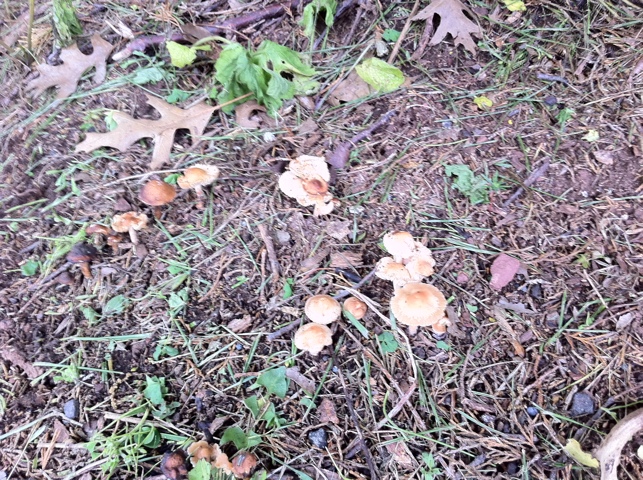
#1 Marasmius oreades
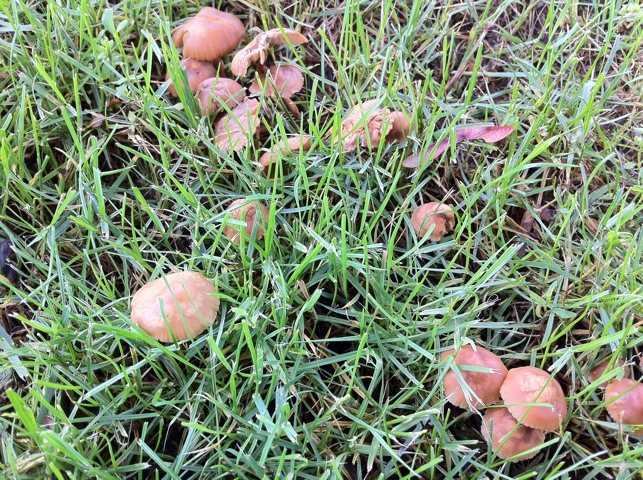
Mushroom Wednesday
After two days of steady rain there was a huge bloom of mushrooms.
Here are some that we’ve pulled in so far. 🙂
Peace,
-Steve
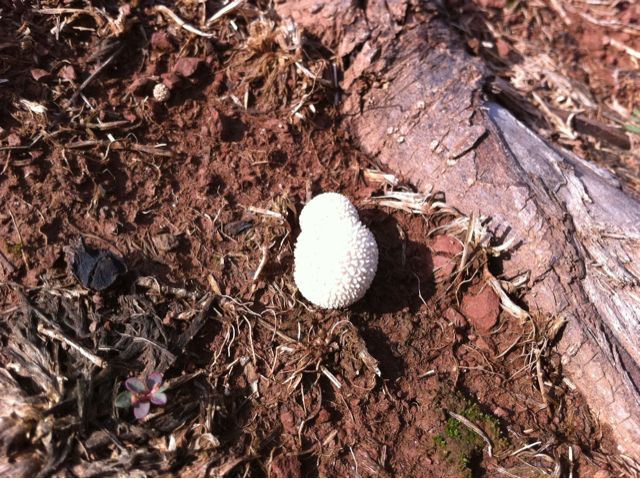
Vacellum curtisii

Calvatia cyathiformis
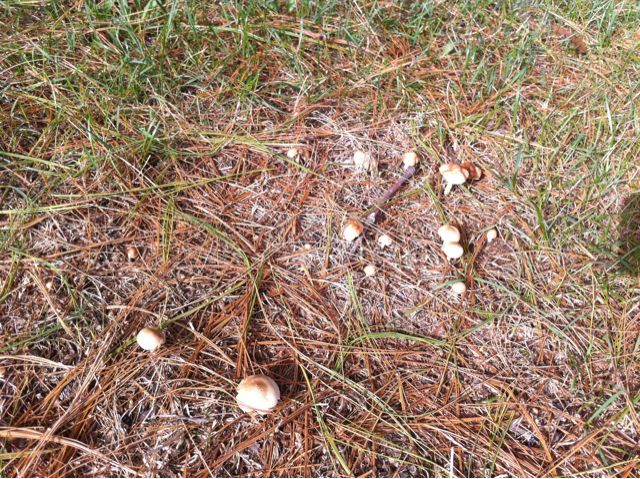
Marasmius oreades
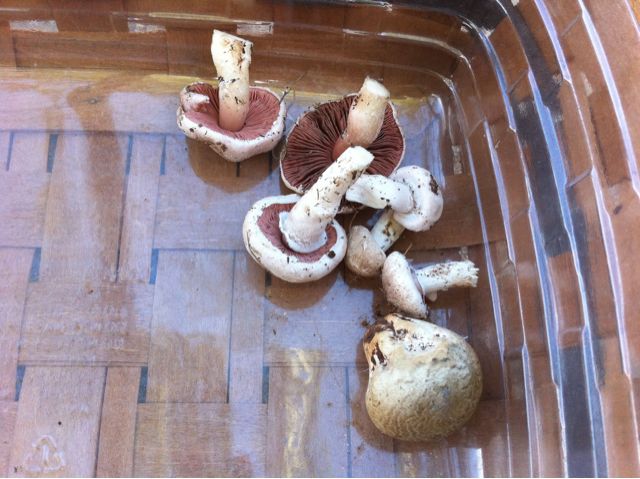
Agaricus campestris and one C. cyathiformis

Another M. oreades
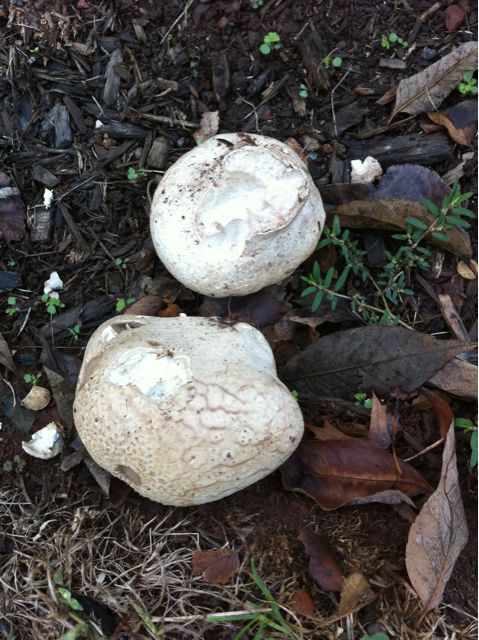
C. cyathiformis
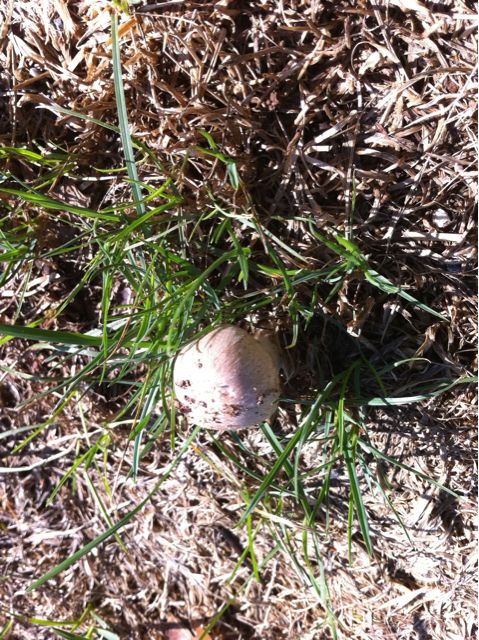

Two A. campestris
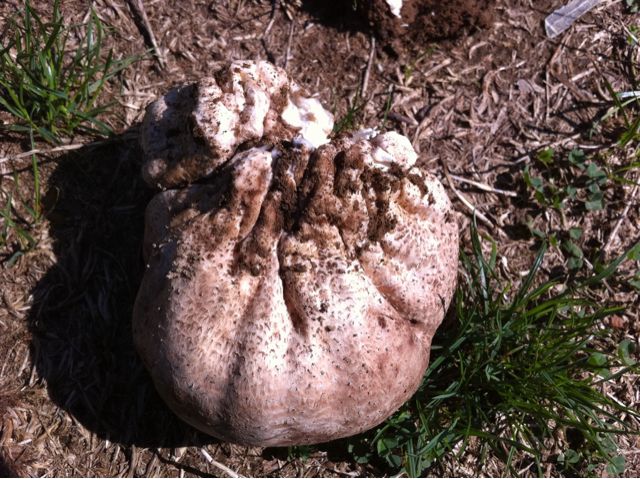

Two A. cyathiformis

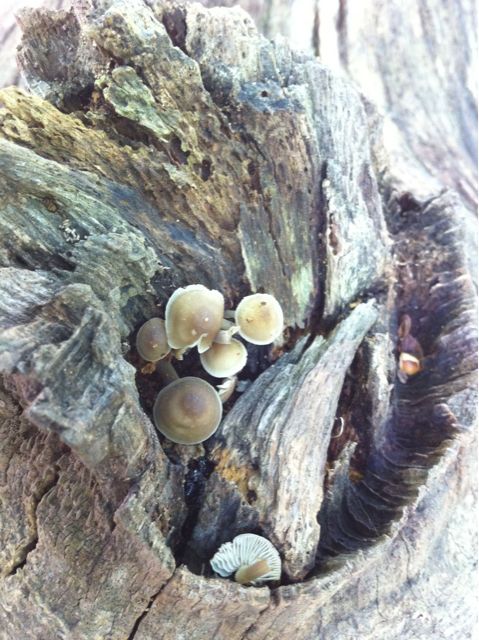
Unidentified Marasmius.
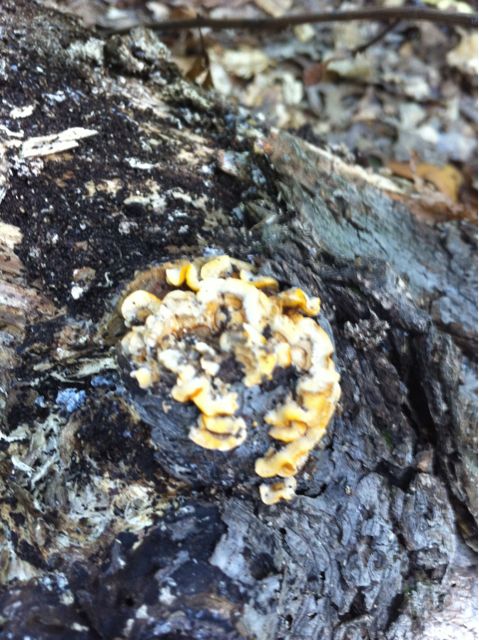
Unidentified.
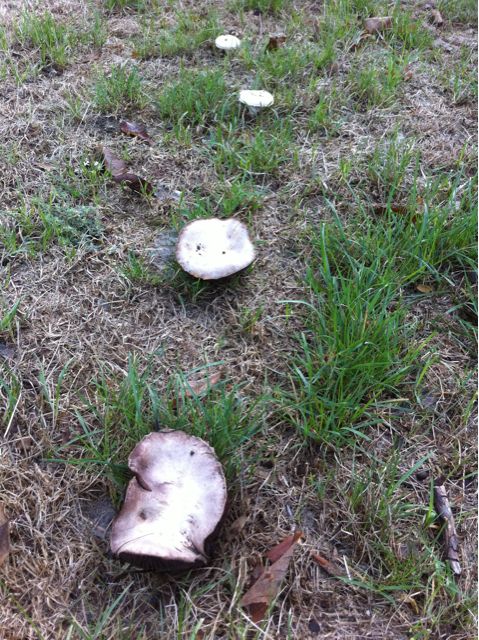
A. campestris
Lycoperdon and Marasmius
Drizzling all day today, so a few mushrooms popped. 🙂
Might go onto the woods and see if there are any more.
Peace,
-Steve
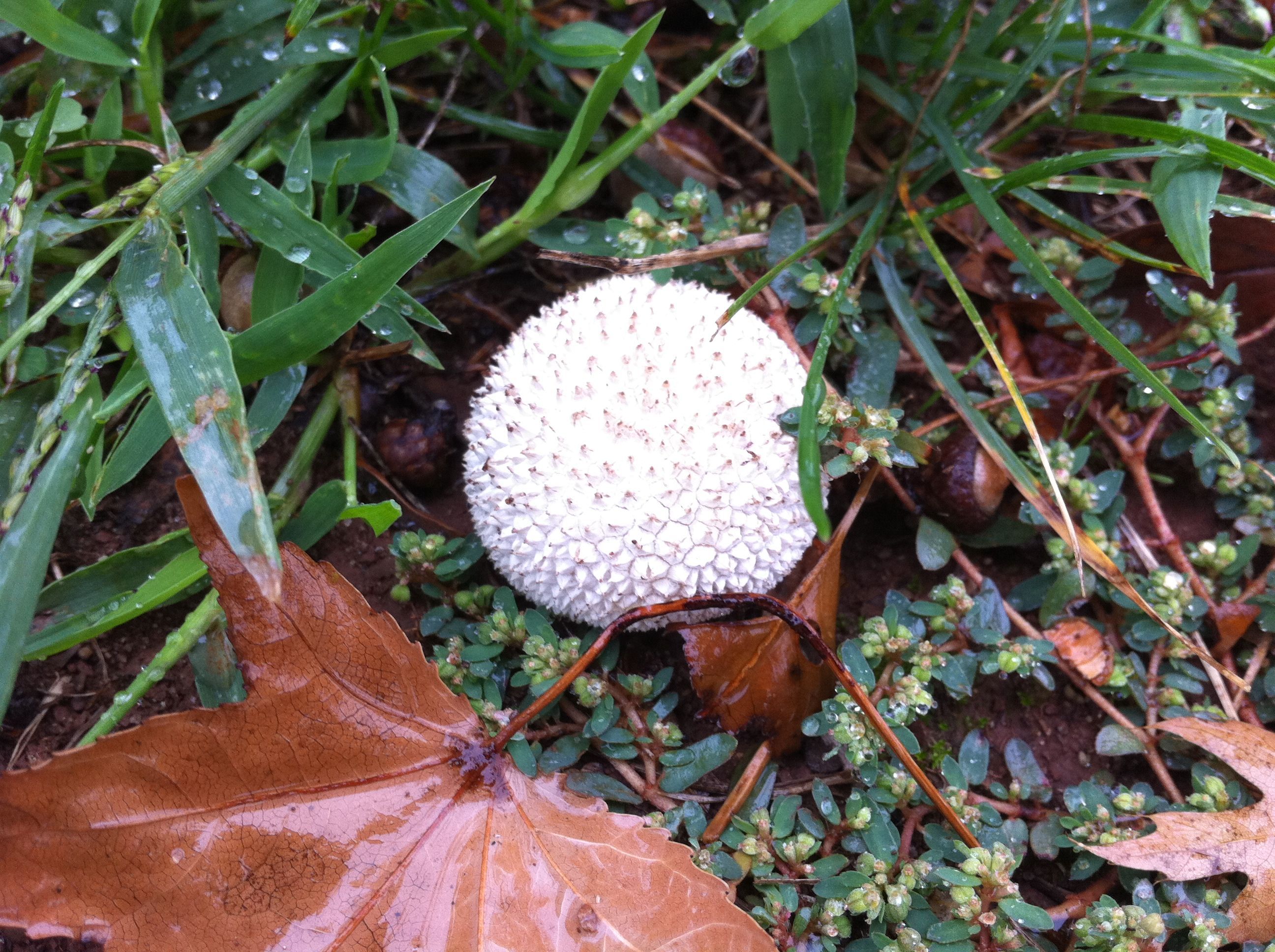
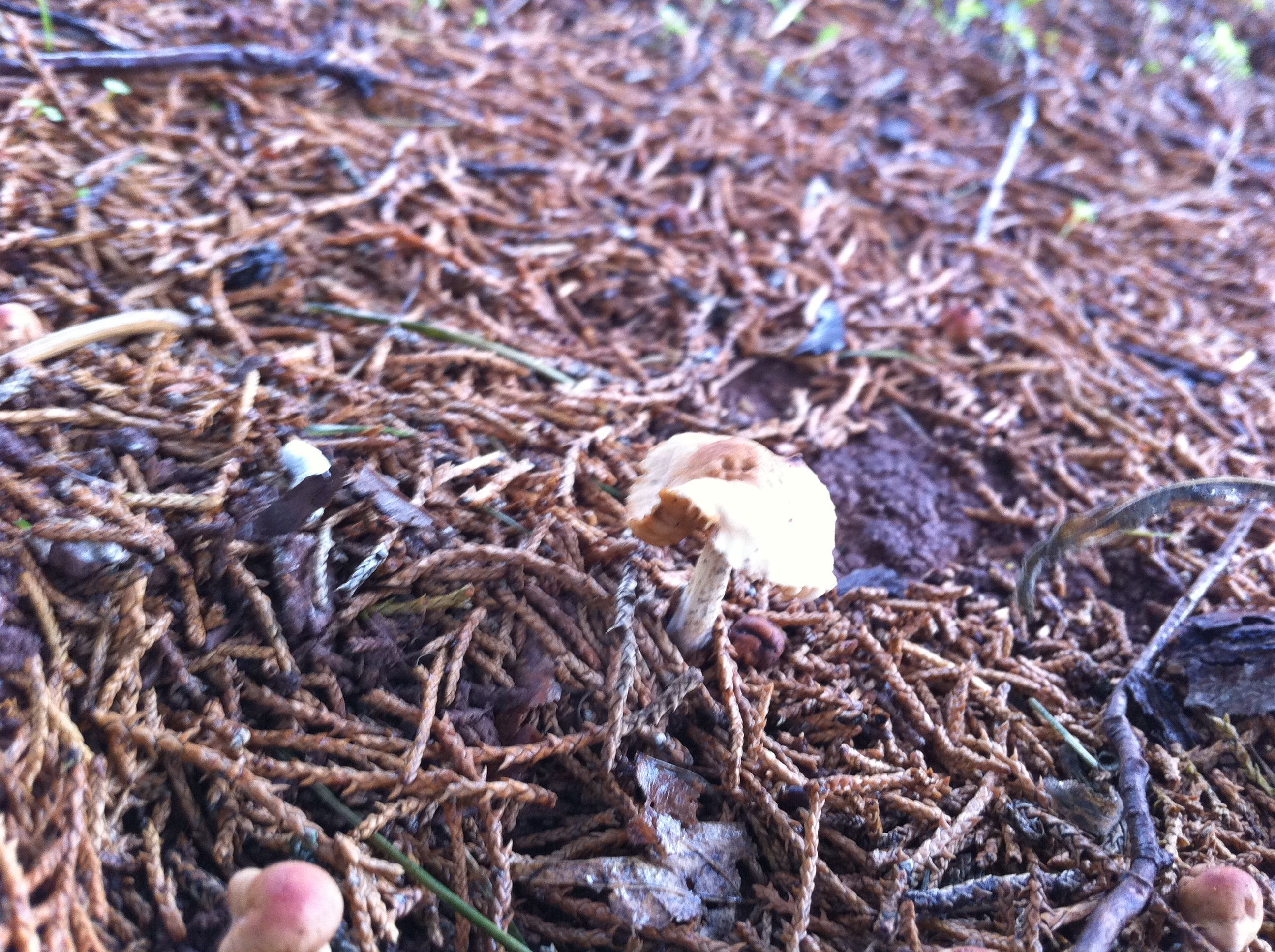
October 25 – Marasmius oreades
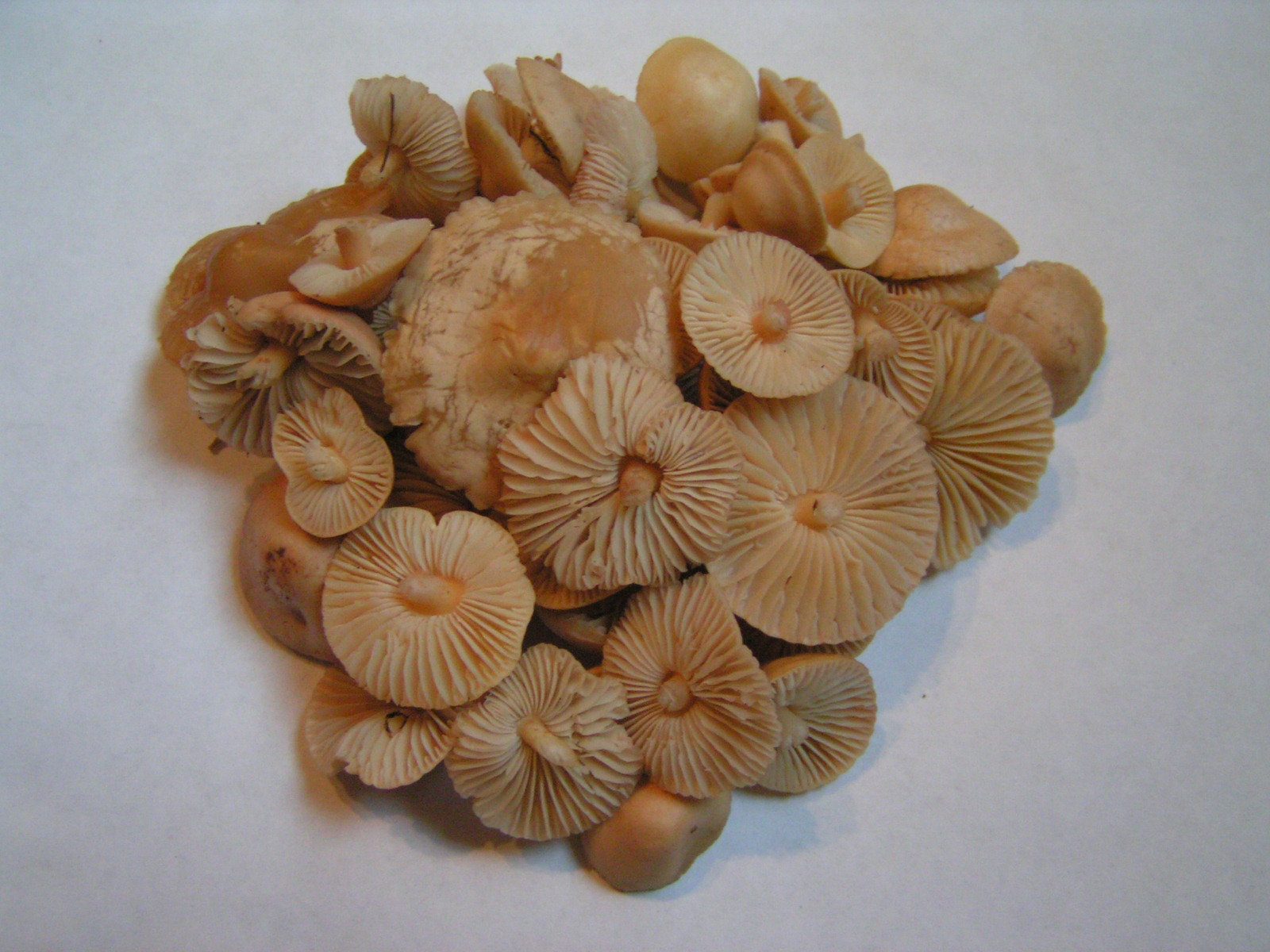
We pulled in enough Marasmius oreades caps to thread two feet of string. They are now happily drying infront of our heater.
October 25 Catch
I was surprised to bring in so many mushrooms at this time in the season. The weather has been whacky, so I’ll blame that. Below are some pictures of the two baskets that my wife and I brought in. I only wish that there was better light to take the photographs in as most of them came out grainy.

I’ll be going through each type of mushroom we came across in separate entries.
-Steve
After Some Much-Needed Rain
We haven’t had rain in too long, so when I had a whopper of a headache on Wednesday night, I was a little excited. Sinus headaches for me have always been followed by changes in the weather, but more specifically, rain, so sure enough on Thursday it started to drizzle, and on Friday it turned into a full-blown downpour. The next day afterwards, my wife and I went out mushrooming and pulled in a good-sized catch. Not as large as we had hoped, but a relatively large for how late in the season it’s getting.
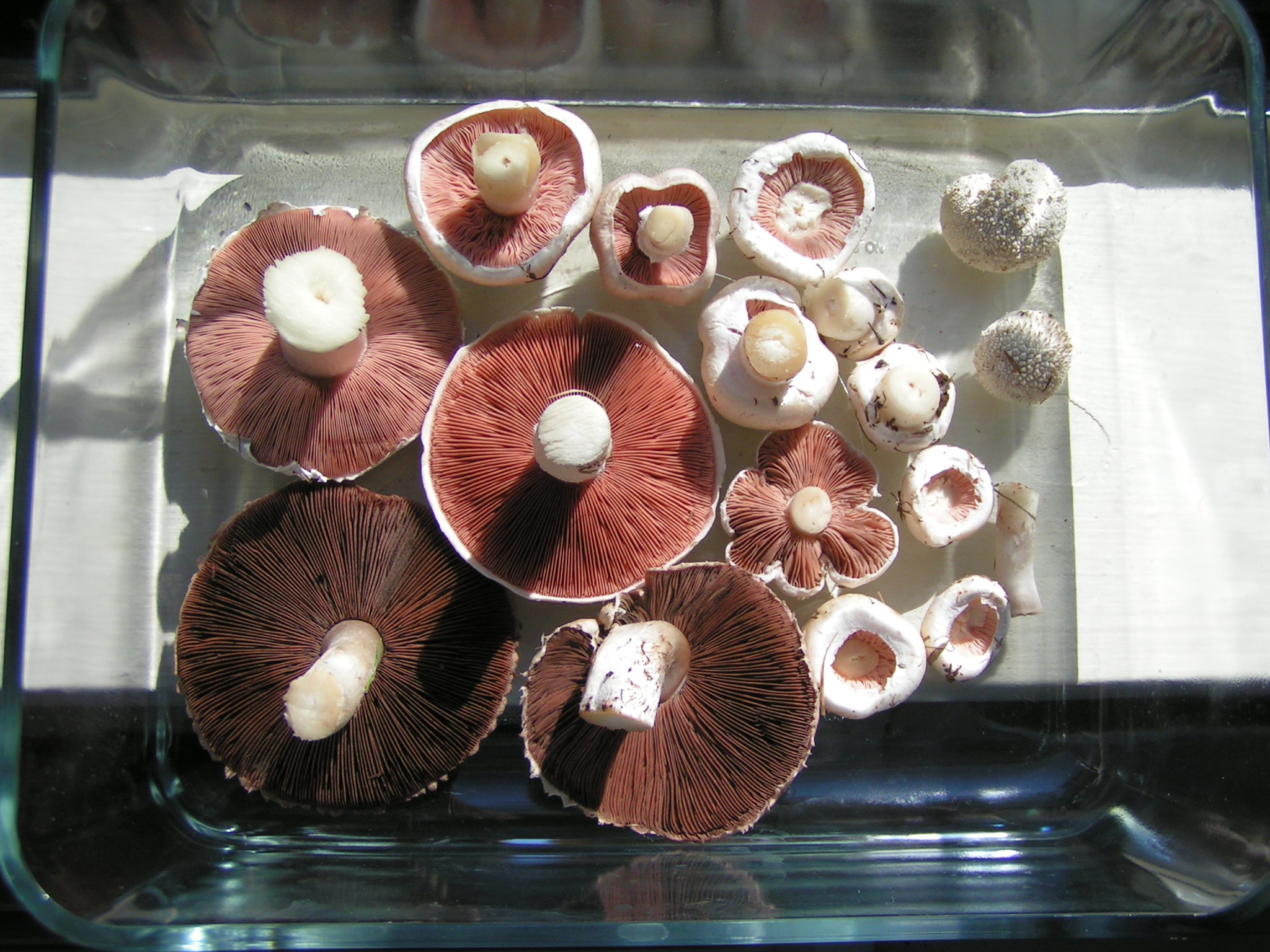
Yesterday, we brought in the above: 15 Agaricus campestris and two Lycoperdon (either L. pulcherrimum or L. echinatum, I can never really tell not that it really matters to me). I popped these into the fridge overnight to outline that change of gill color that I had mentioned before. Within a few hours after they are picked, the characteristic bright-pink of the gills fades to a pallid gray:
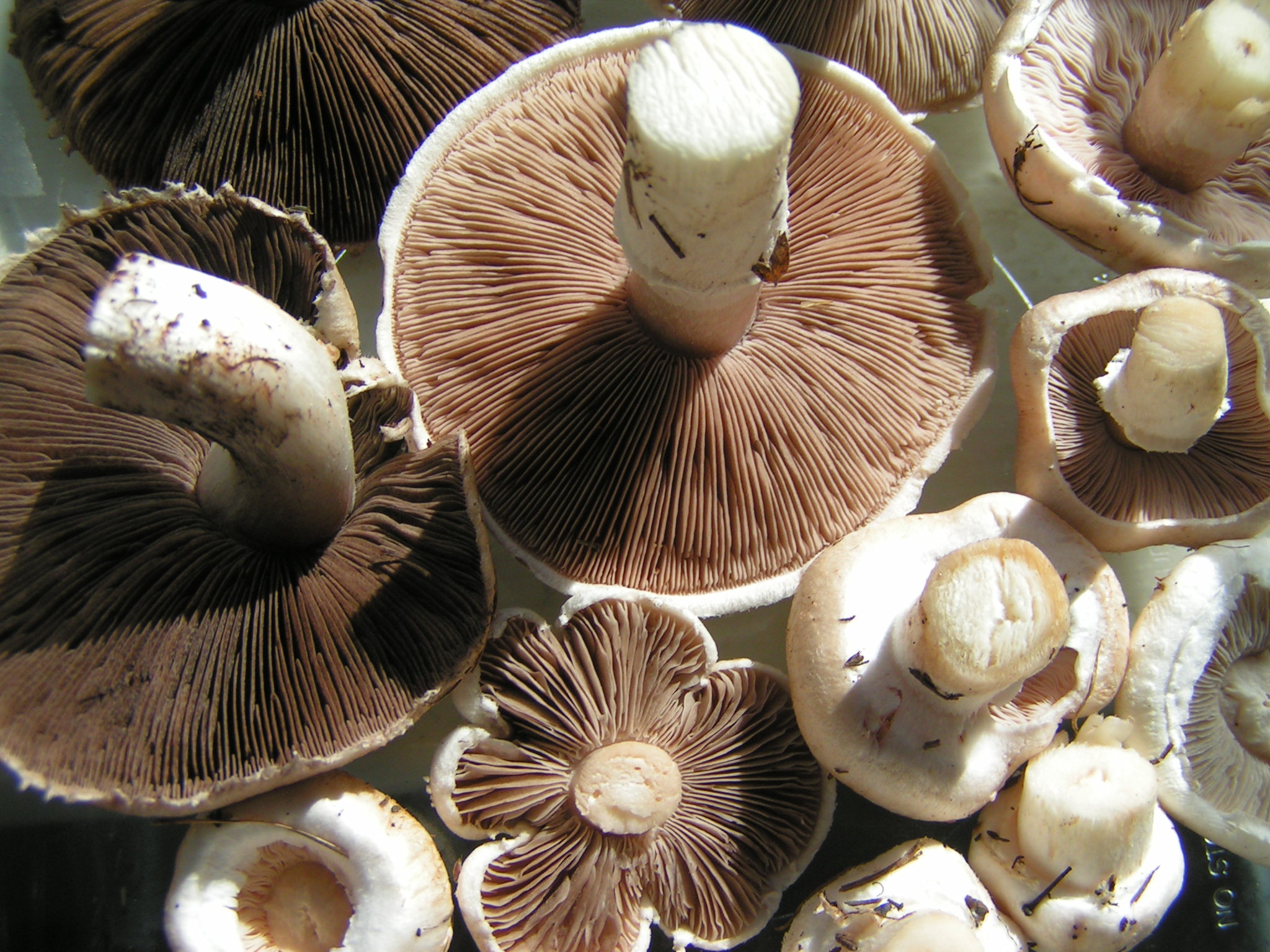
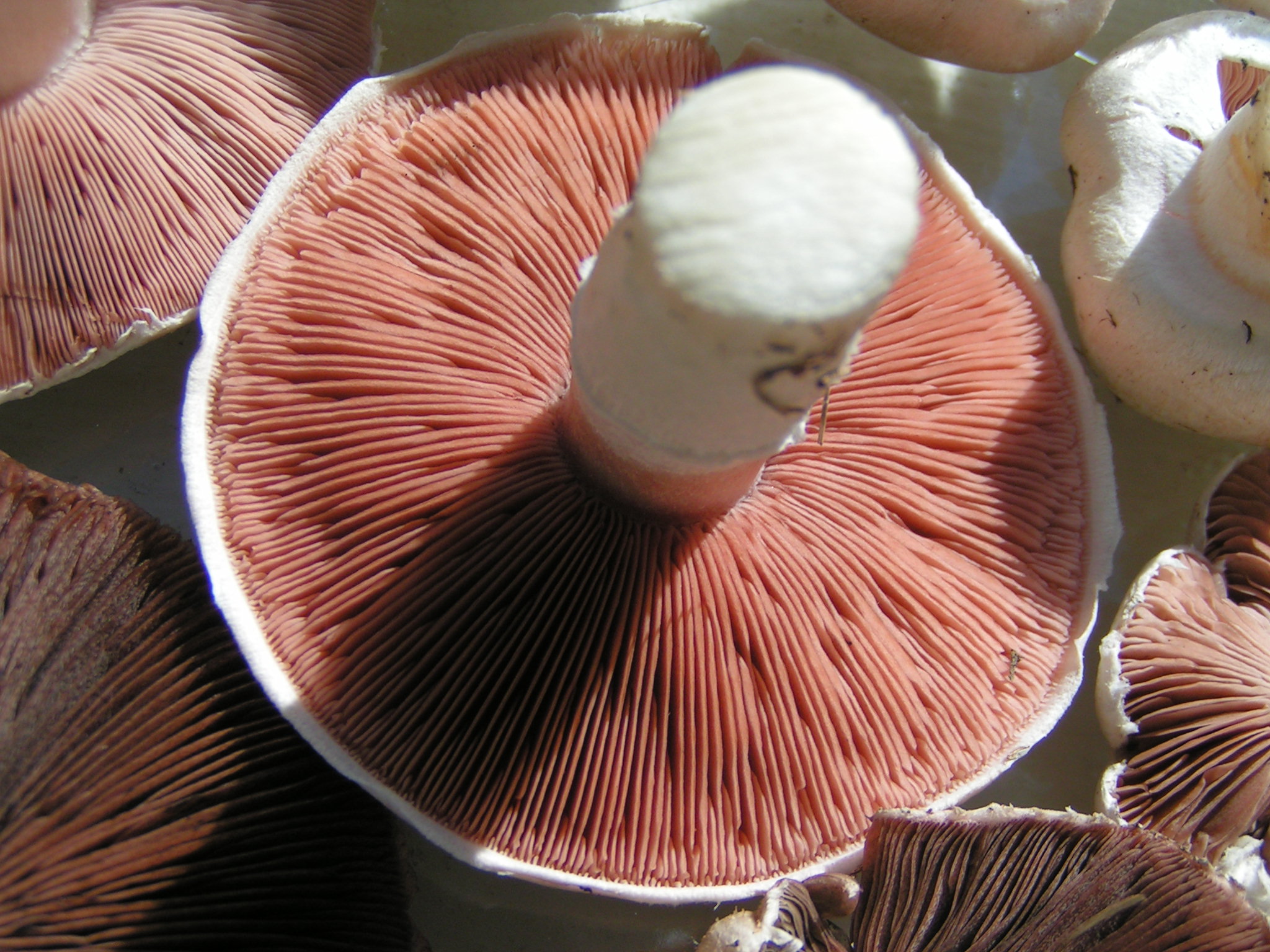
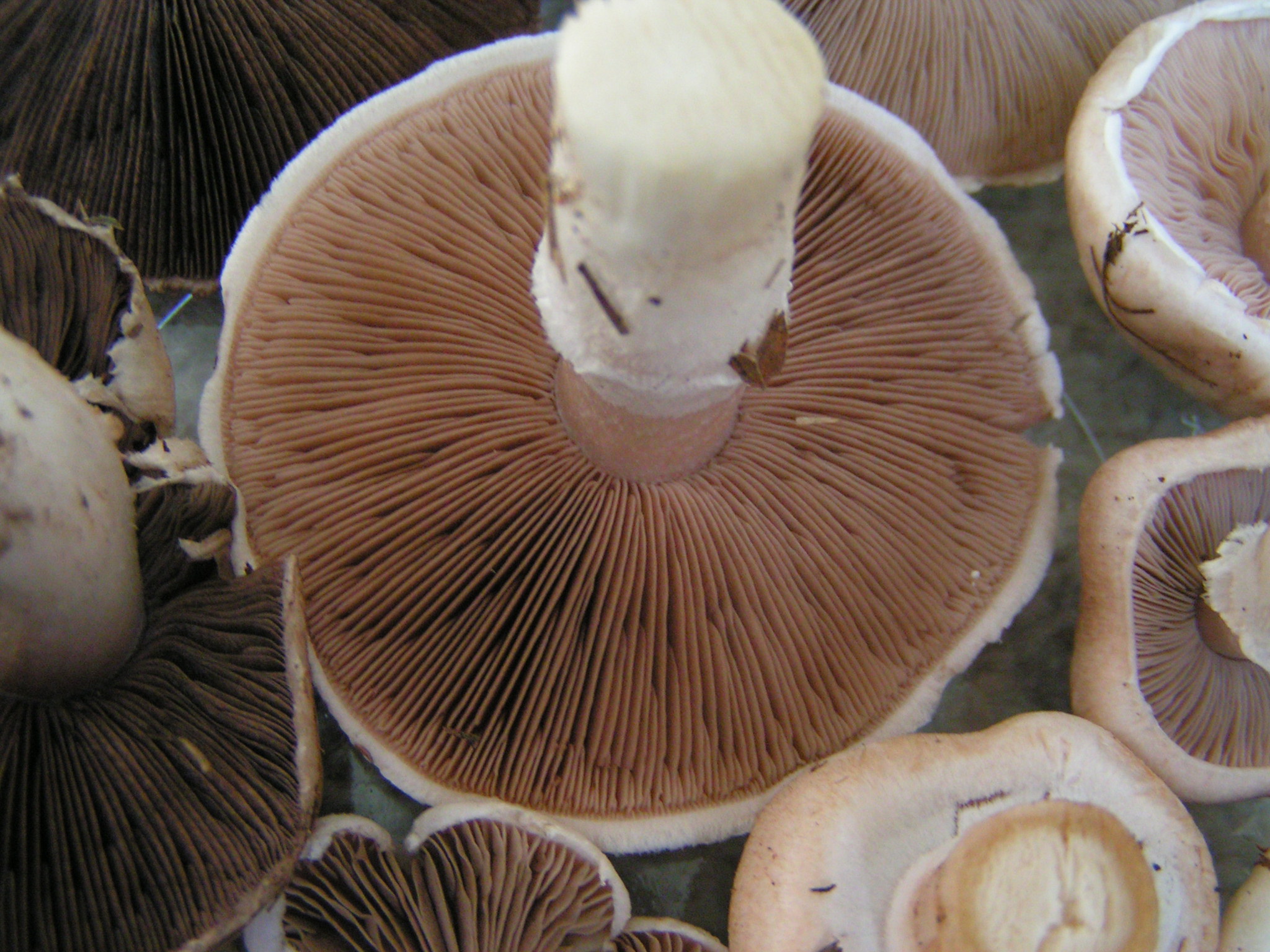
This is completely normal, but a really good reason to keep a mushroom journal with photos. In the past, I’ve thrown out entire clutches of campestris because I was not aware of this quirk and feared misidentification (as if I’m not 100% confident that a mushroom is edible, I toss it: “When in doubt, throw it out!”).
Another thing that I loved about this batch of campestris was that most of them were of the brown-capped variety:
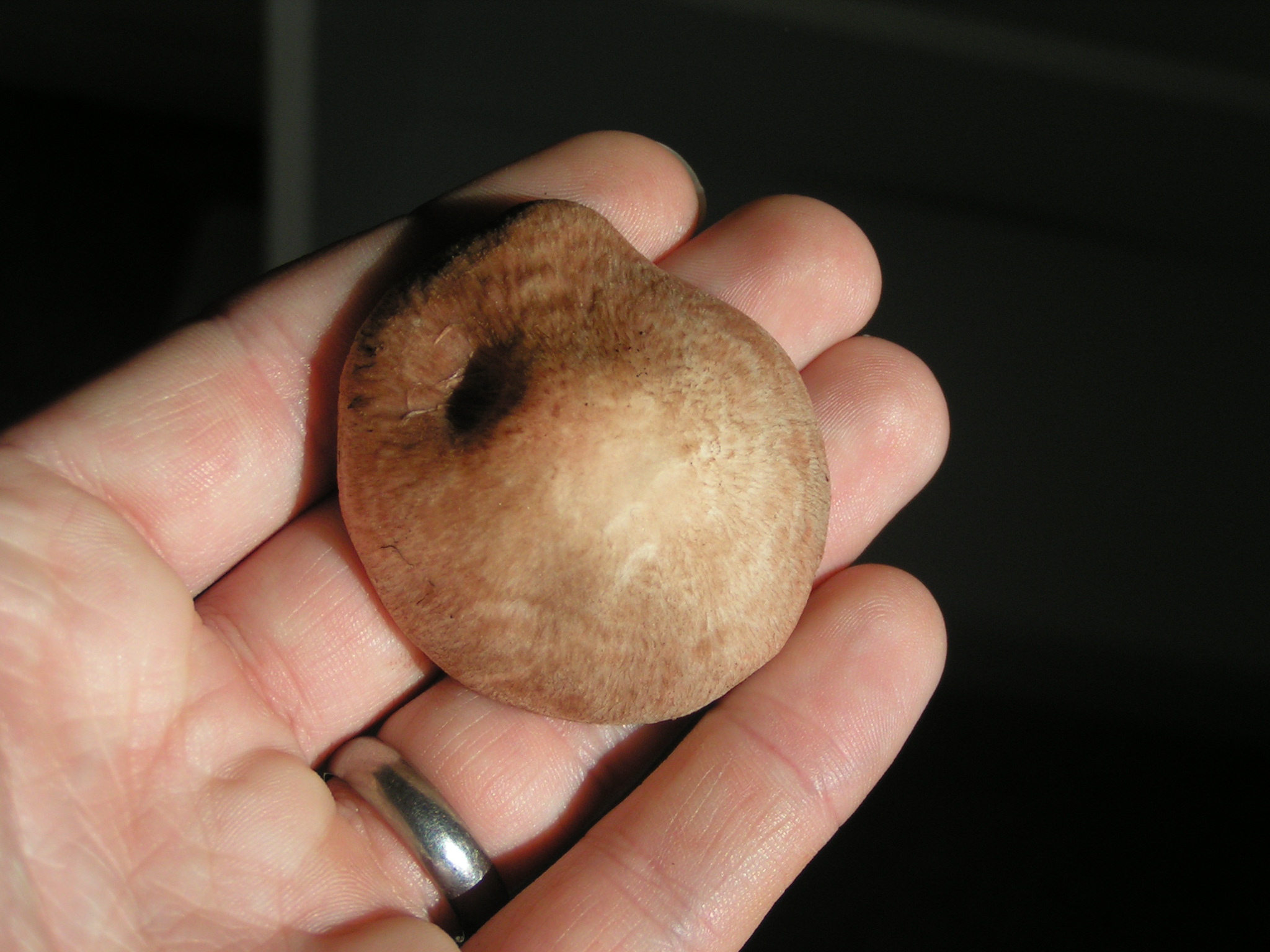
Just like Agaricus bisporus, the mushrooms you get in the supermarket, have “white” (button) and “brown” (portobello, crimini) varieties, so to A. campestris. I love their color.
The next day (today) we went out again only to find slim pickings, albeit with a bit more variety:
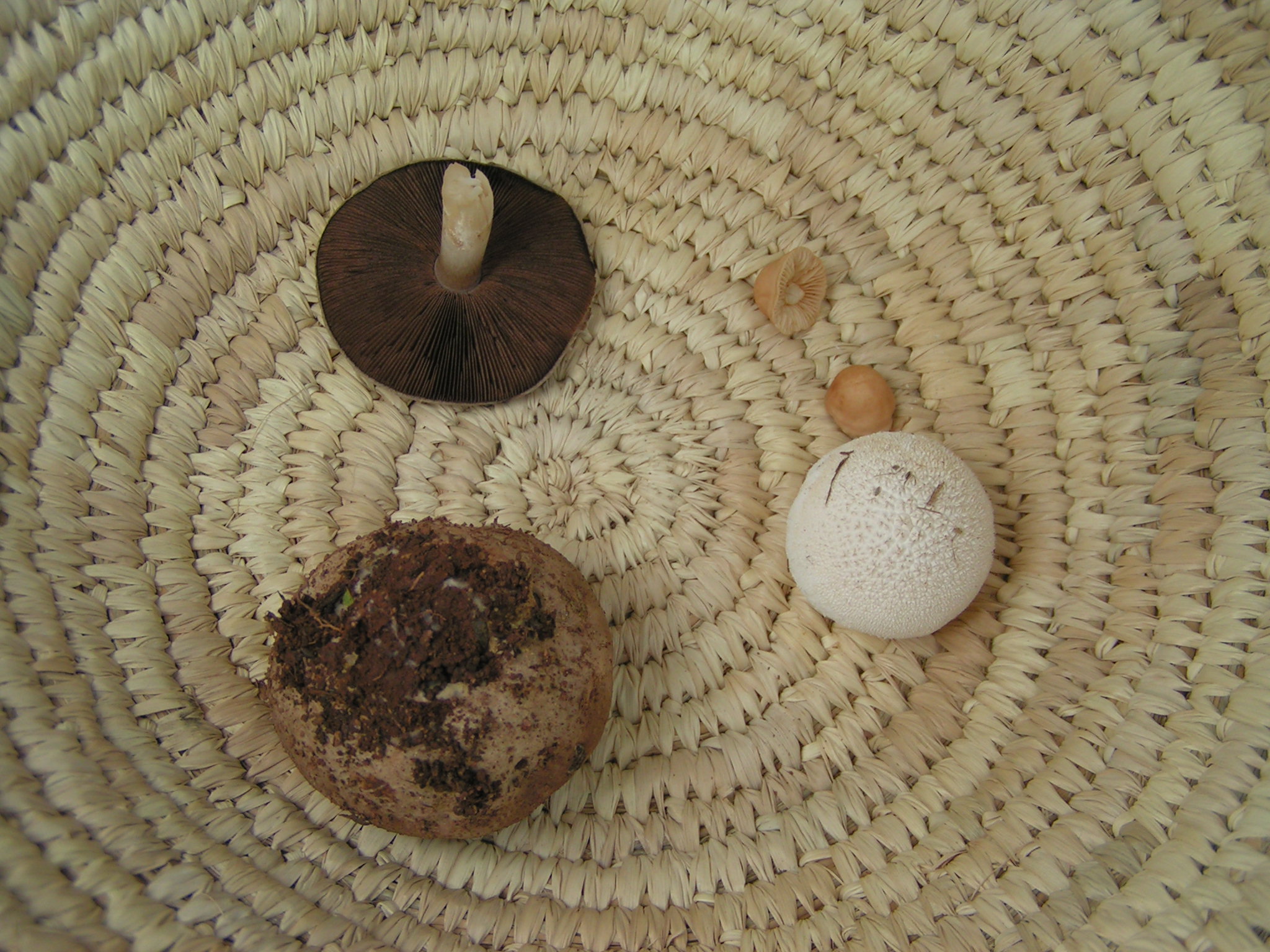
One mature Agaricus campestris, two Marasmius oreades, one Lycoperdon, and one Calvatia (probably C. cyanthiformis).
I’ll post more soon.
Peace,
-Steve
August 26 ’07 – Lot 4
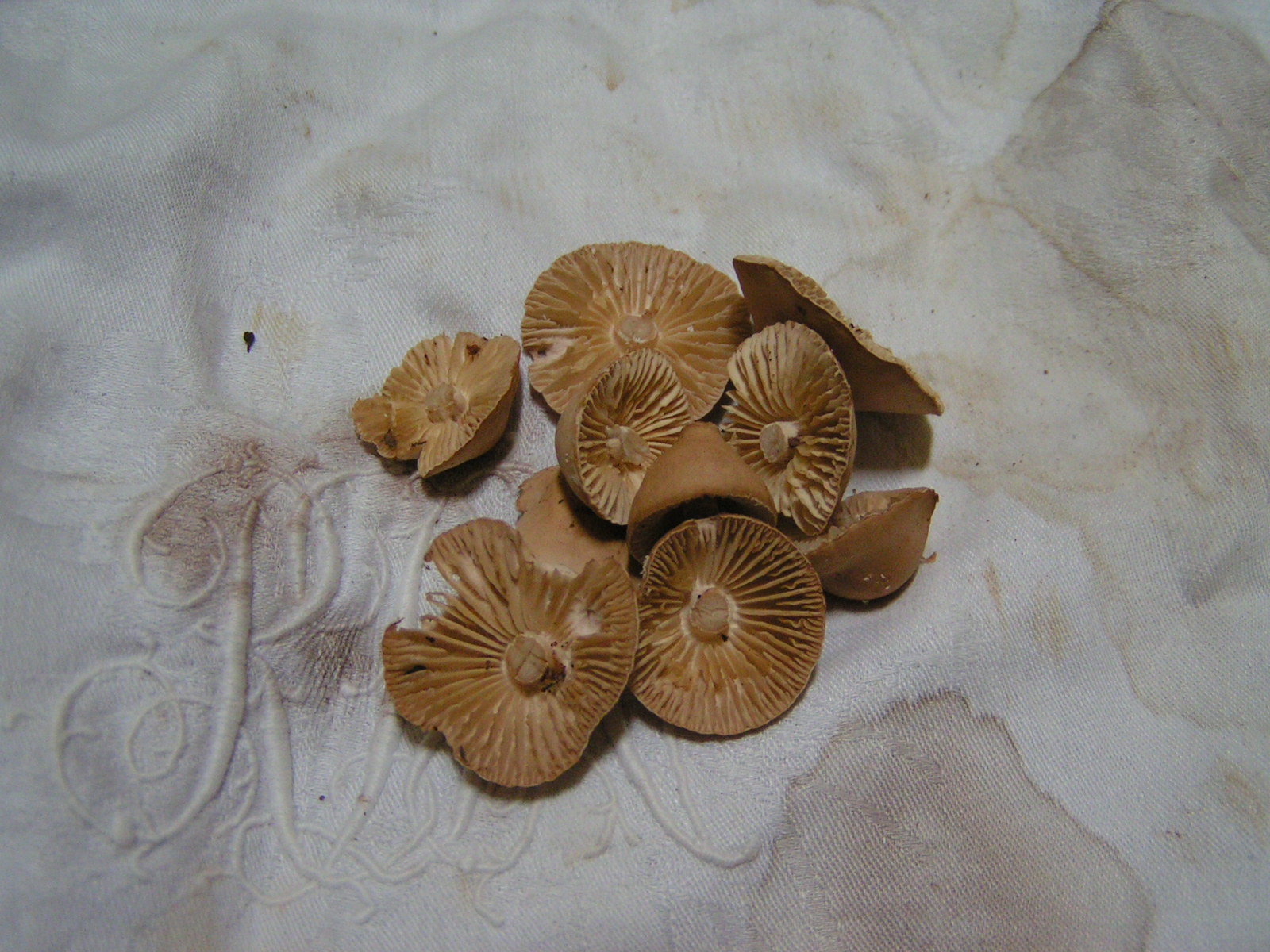
Marasmius oreades caps taken from known rings. 🙂