Monthly Archives: October 2007

October 25 – The Undentified

Alright, now to go over the mushrooms that I am not 100% certain of:
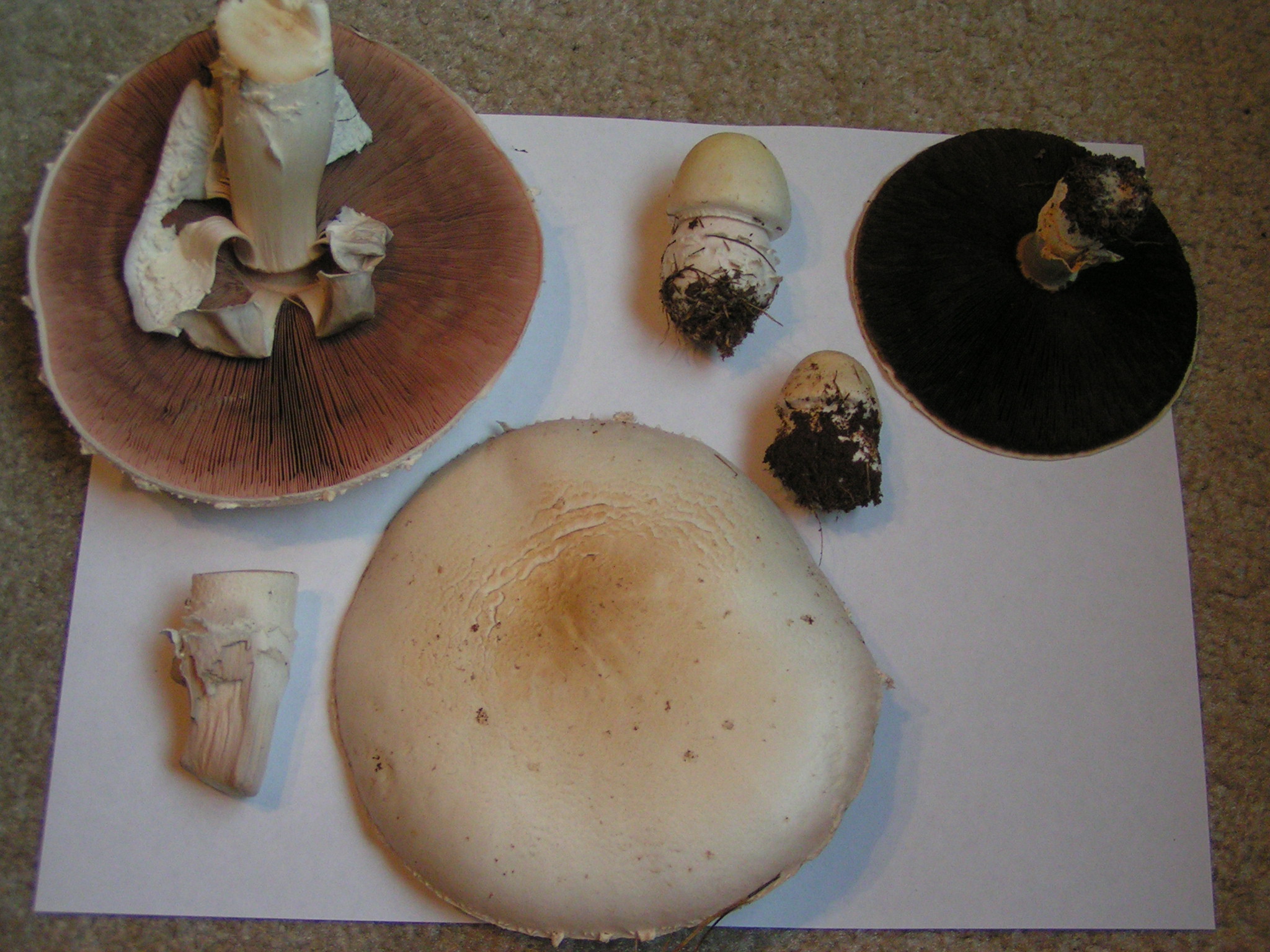
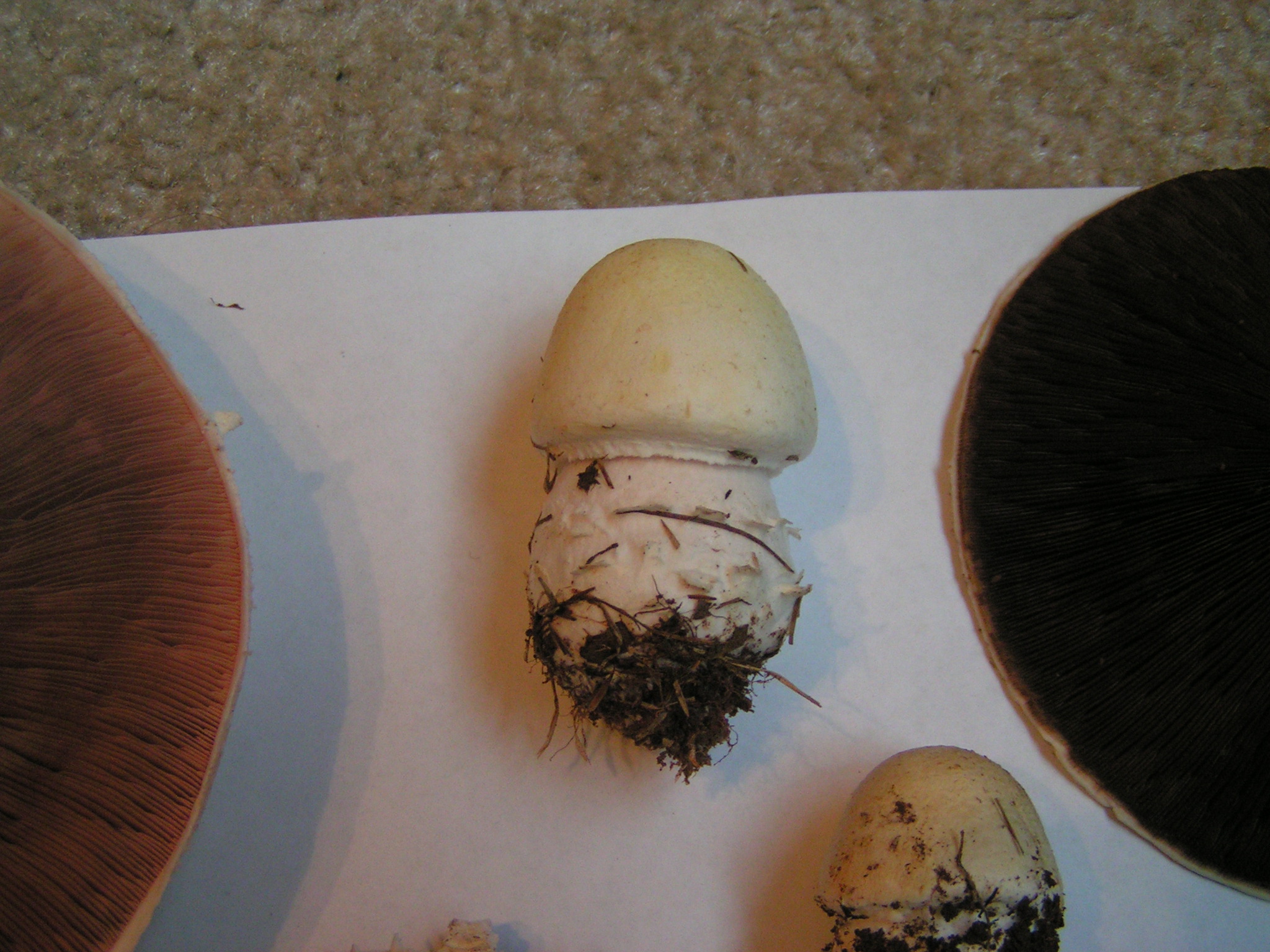
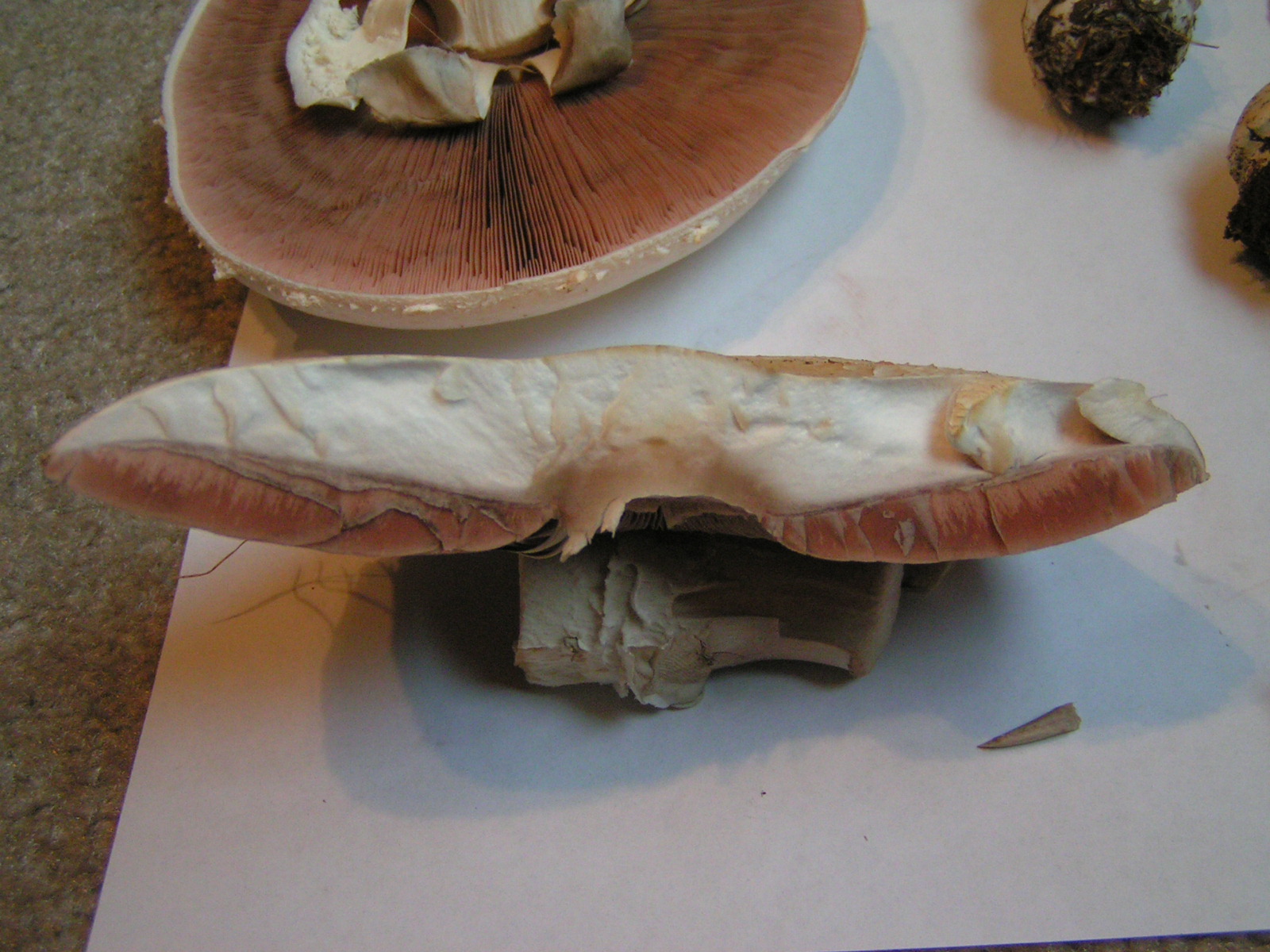
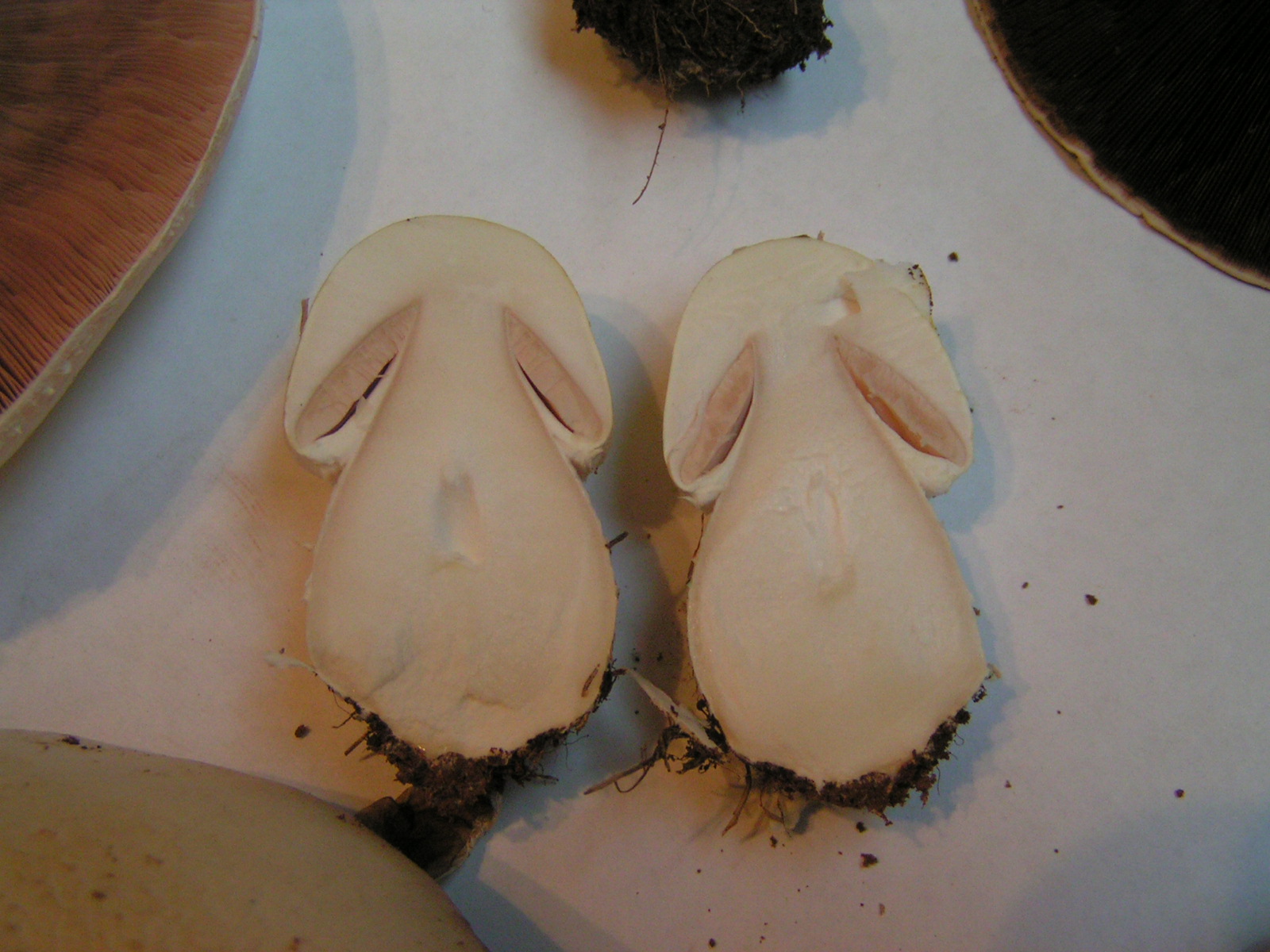
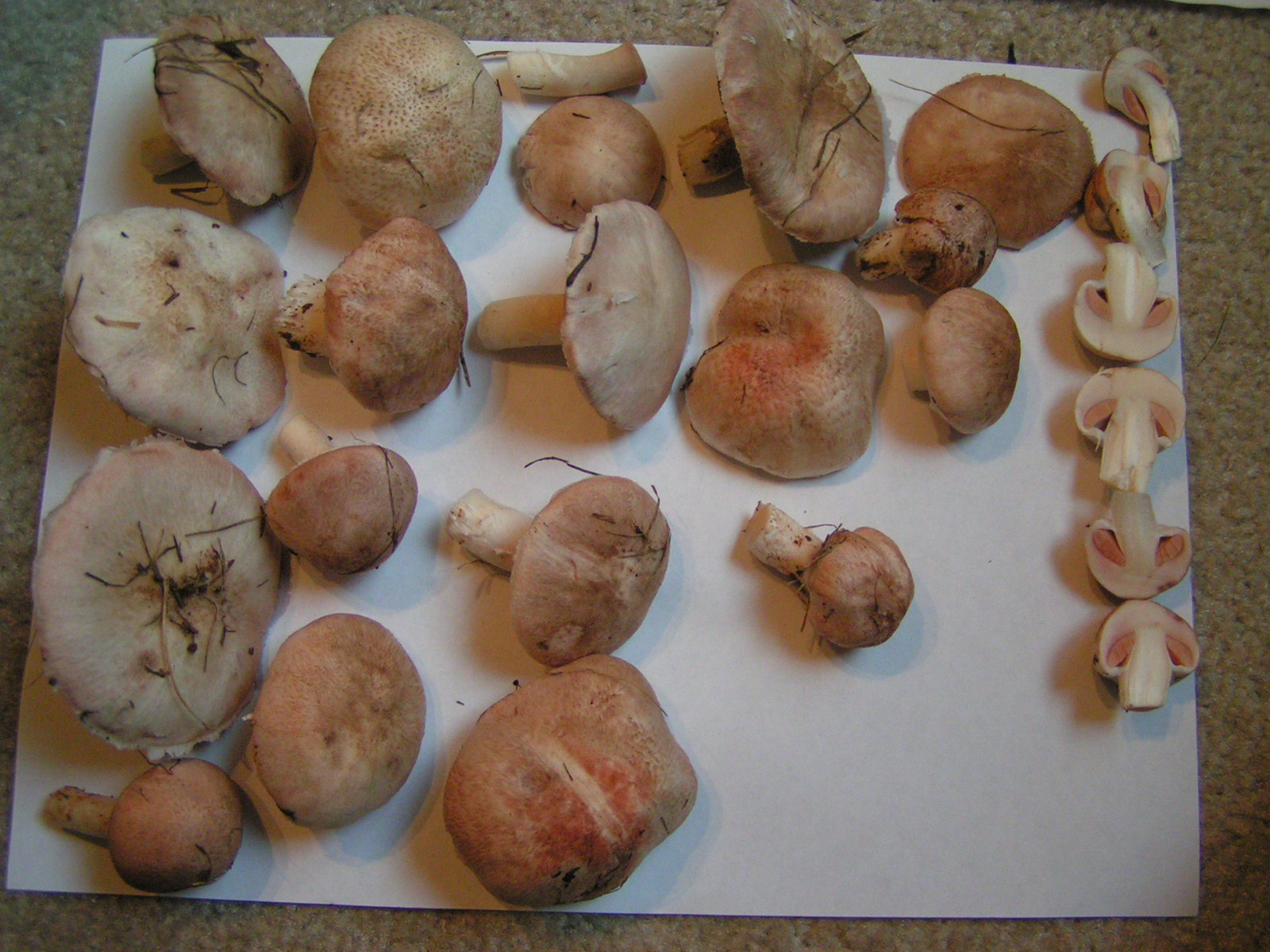
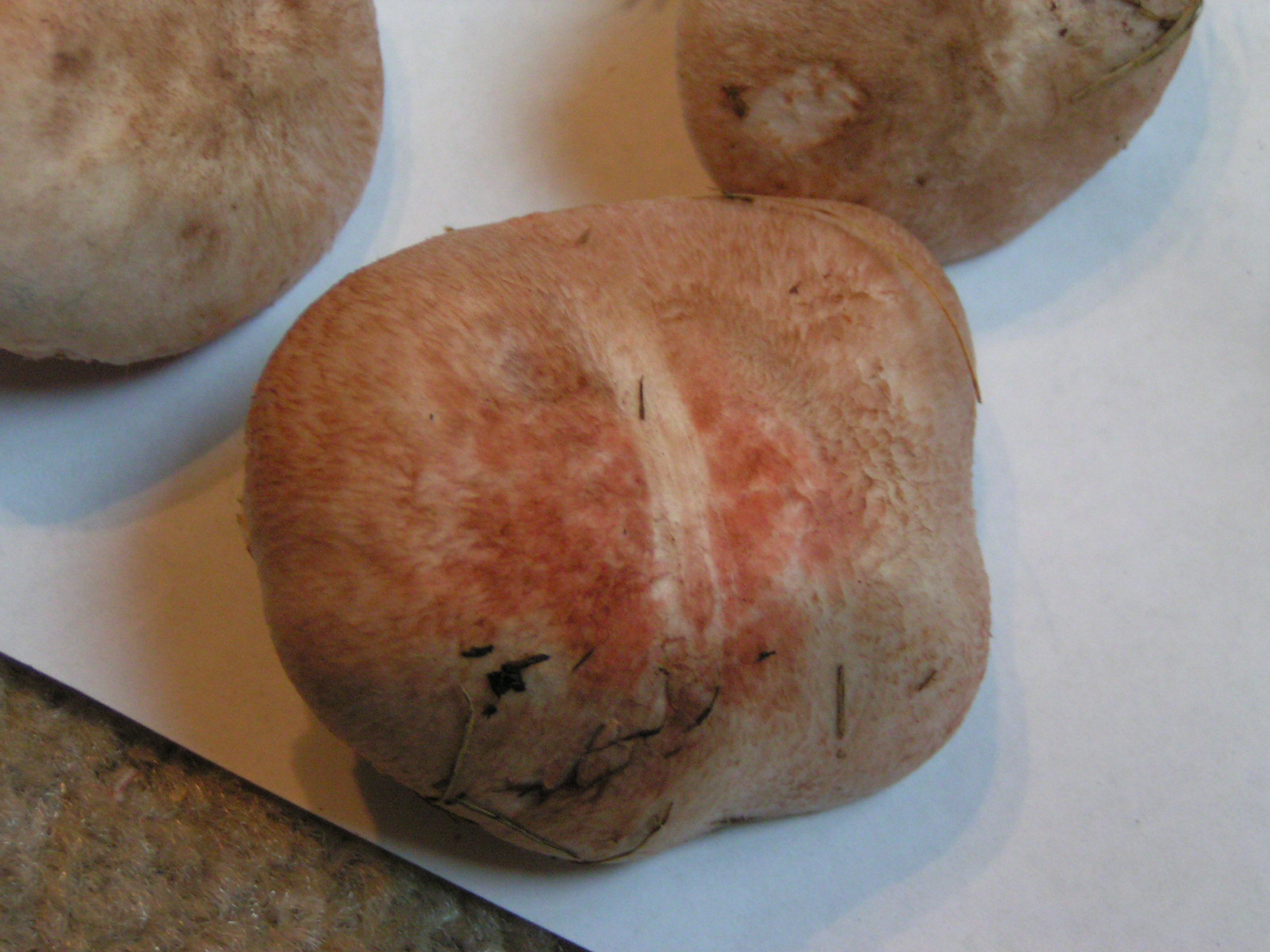
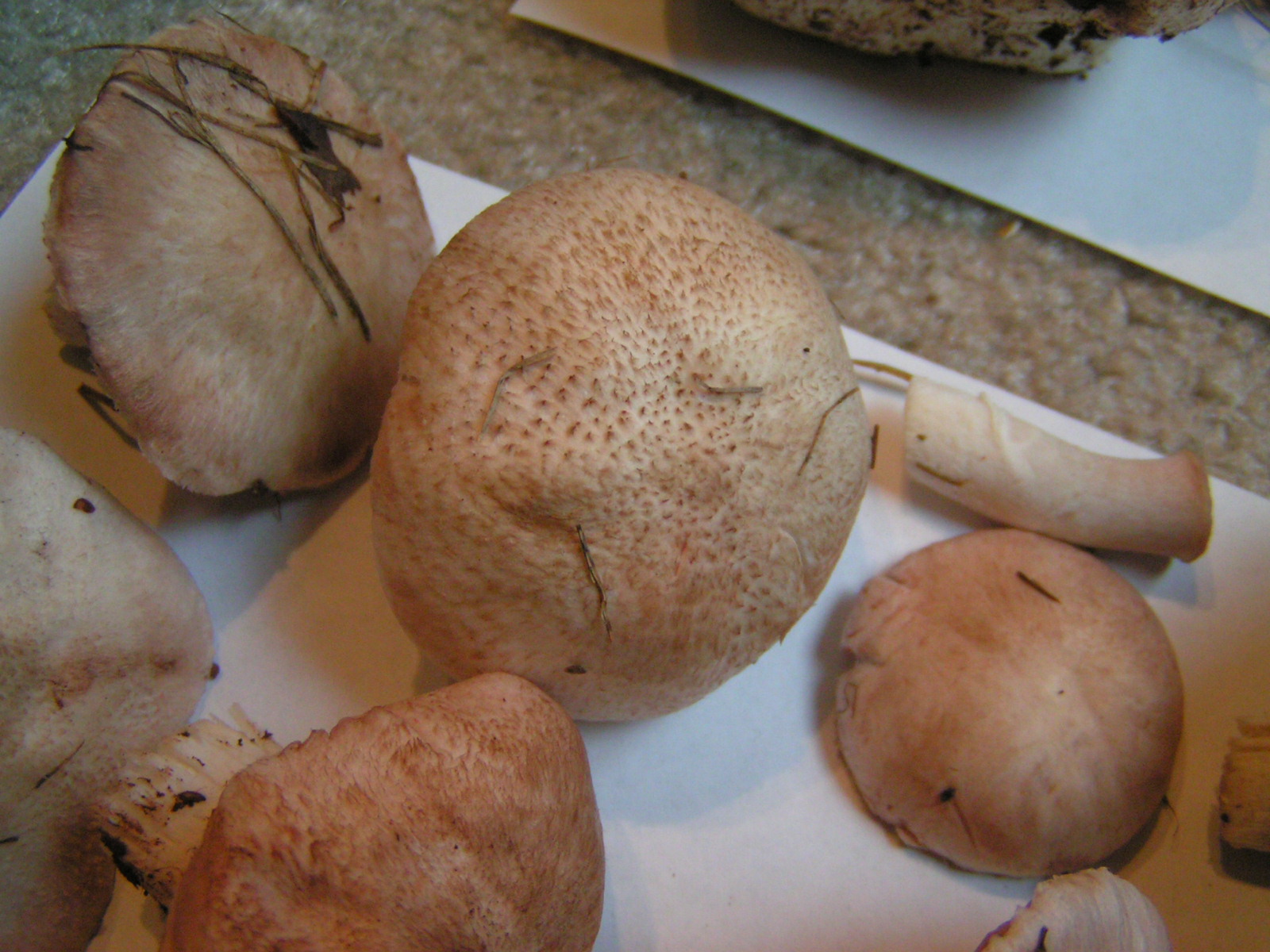
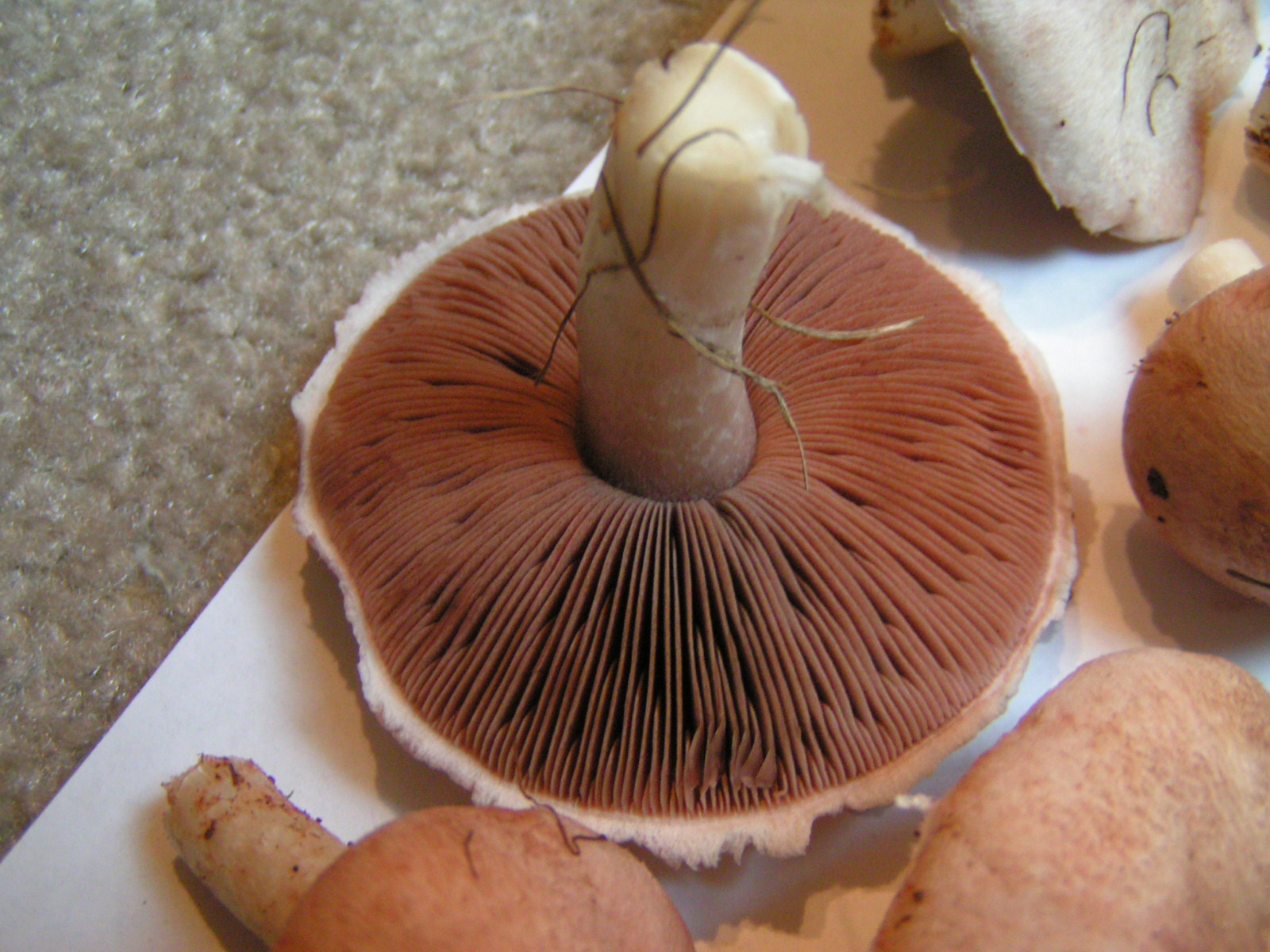
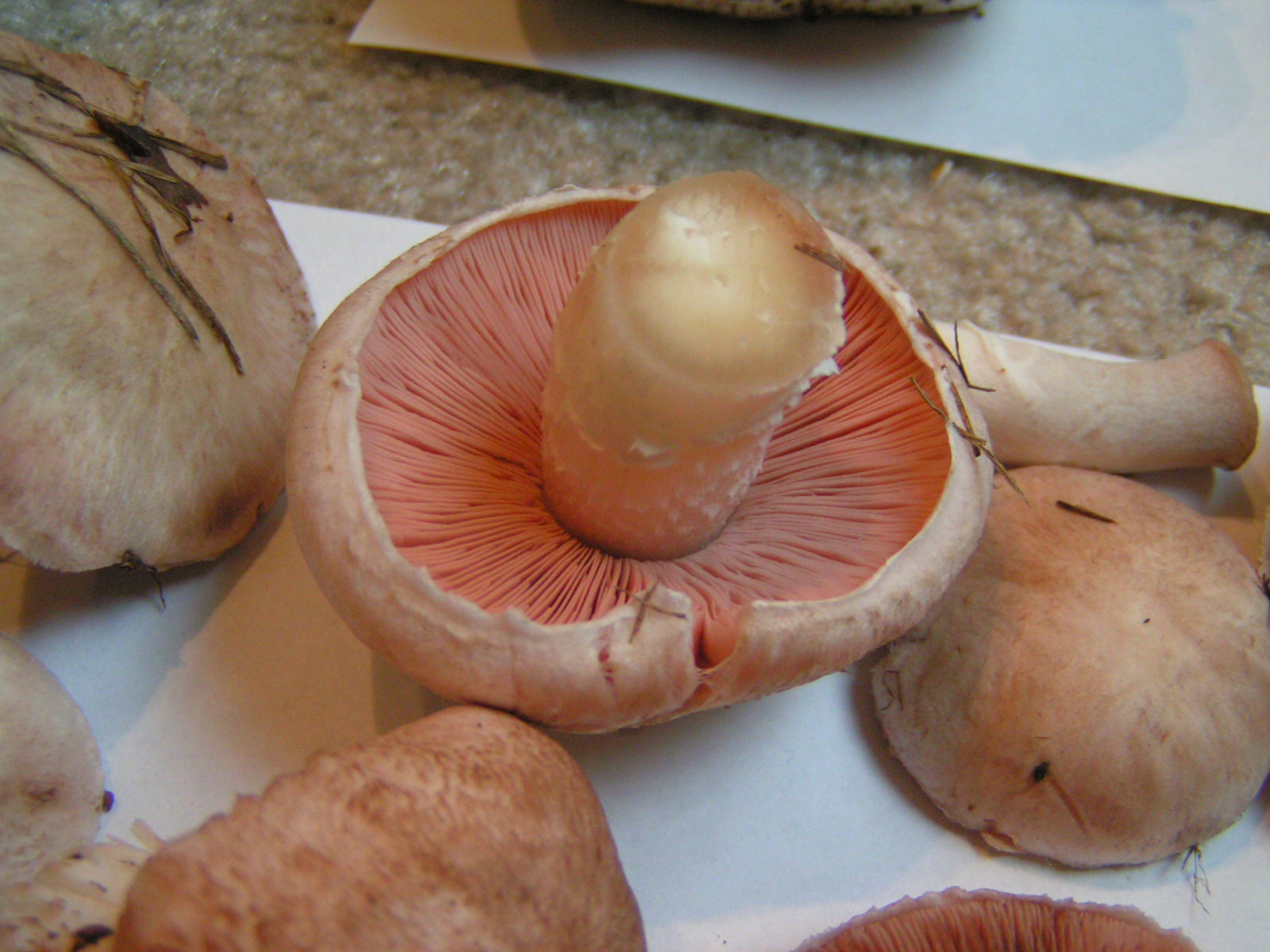
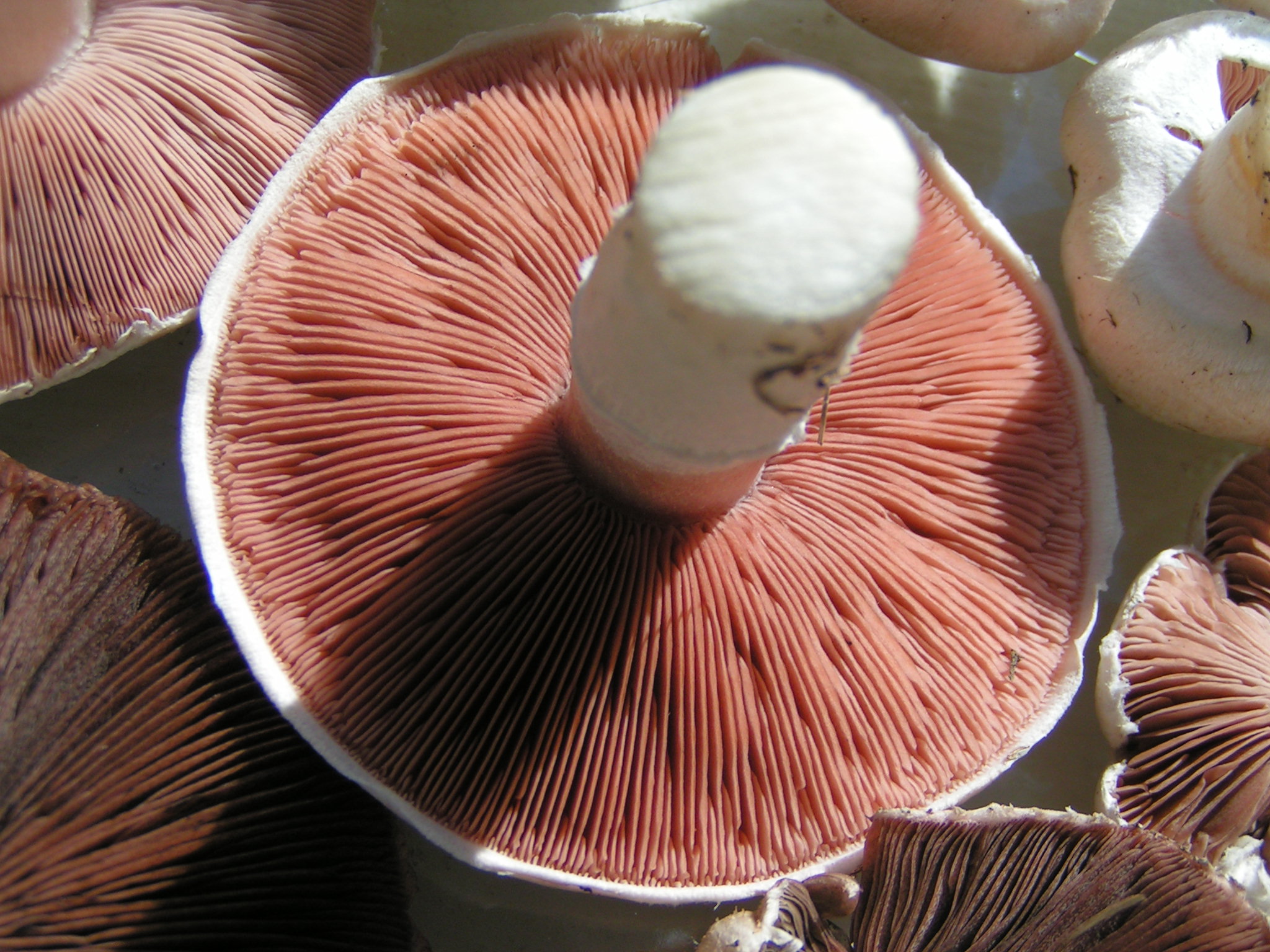
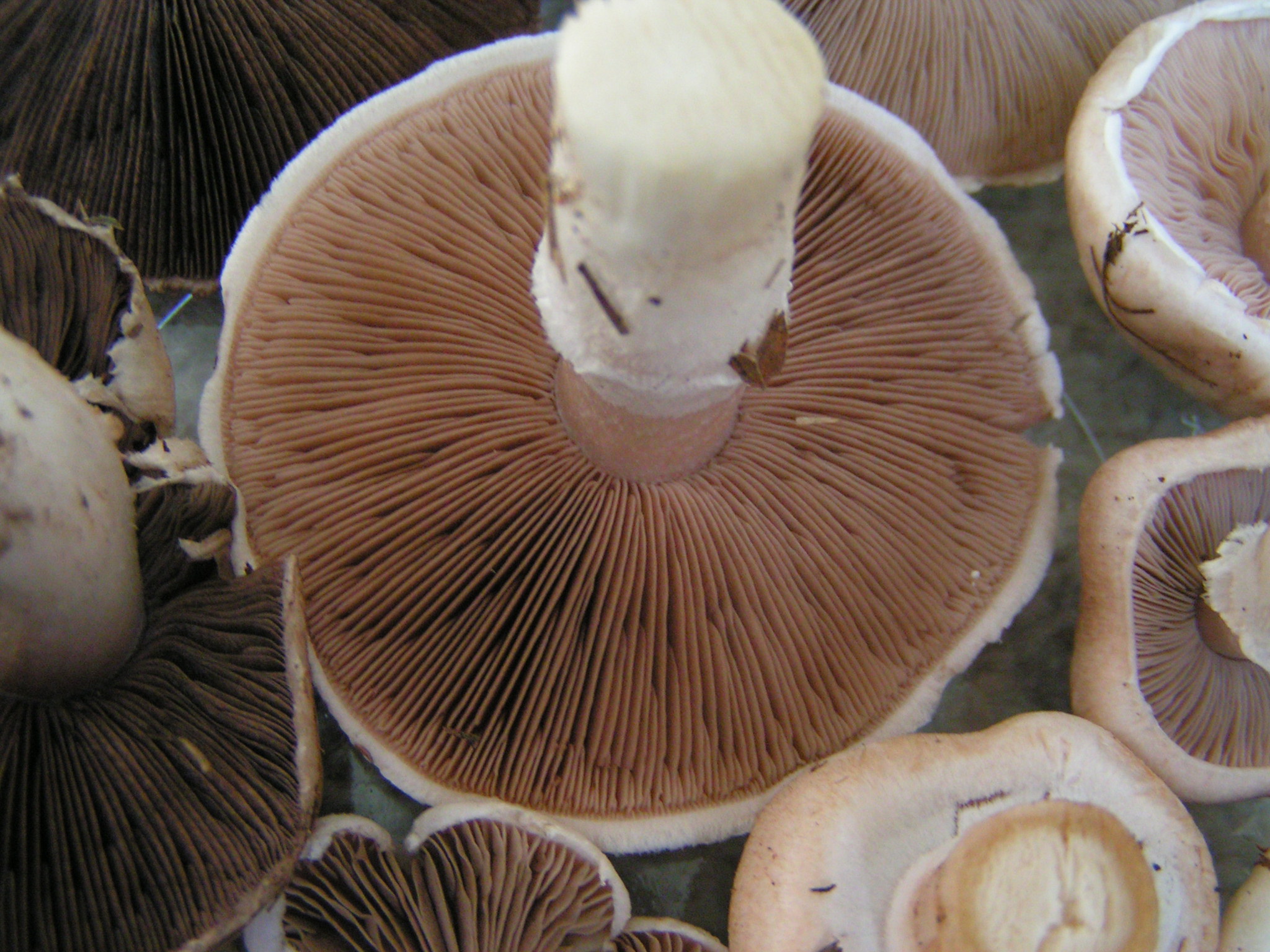
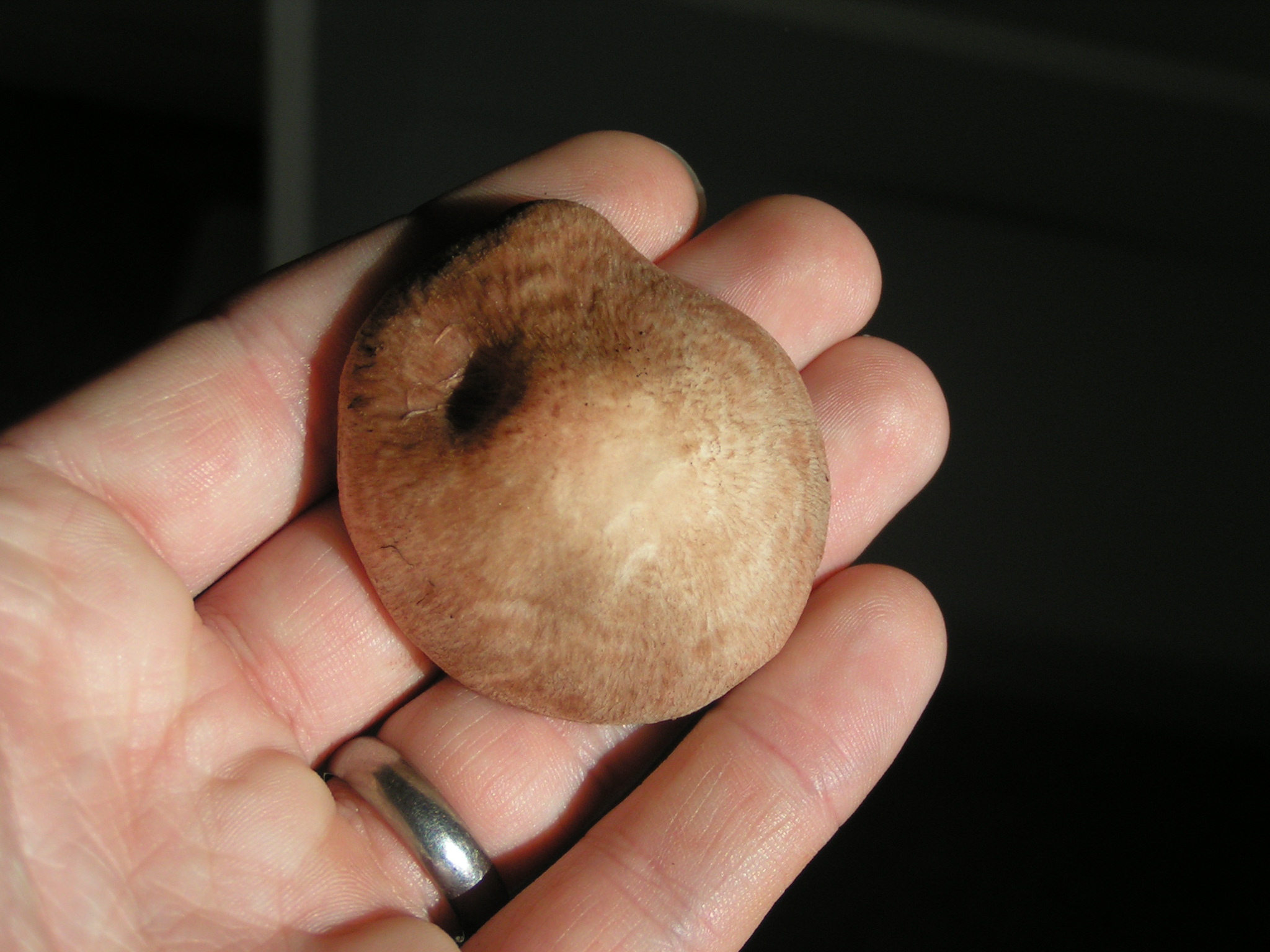
Agaricus arvensis?Agaricus arvensis?Agaricus arvensis?
Agaricus arvensis?
Agaricus arvensis?

I am at 95% confidence that the above are Agaricus arvensis or the “Horse Mushroom.” However, 95% is not good enough for me to put it in my mouth, chew and swallow. I’ve picked these before and have posted previous specimens here. In fact, in those previous pictures, I believe that there was a tipoff as to its identity. If you look at the 6th one in the set, in the upper left-hand corner of the image you can see the distinctive “cogwheeling” that is present in A. arvensis‘ ring. The cogwheeling isn’t as distinct in these pictures (although I do believe it’s there), so I still hesitate.

Growing in: Lawn.

Cap: 6-7″ in diameter. Convex to flat. Younger buttons pale yellow-buff to white, older specimens white with buff to tan area towards the center. Very fine compressed shag. Flesh, for the most part not bruising to any color except a very very light brown where the cap connects to the stem.

Gills: Free from the stem and crowded. Very pale in the button stage progressing to gray (with very slight hints of pink, but completely desaturated) and finally dark chocolate brown upon maturity.

Stem: Up to an inch thick similar to any other Agaricus stem with a small bulb at the base (more prominent in buttons). Big floppy ring with some cogwheeling.

Spores: Spore print is chocolate brown. Spores smooth and elliptical. Unfortunately my microscope’s calibration is off at the moment so I cannot distinguish exact size.
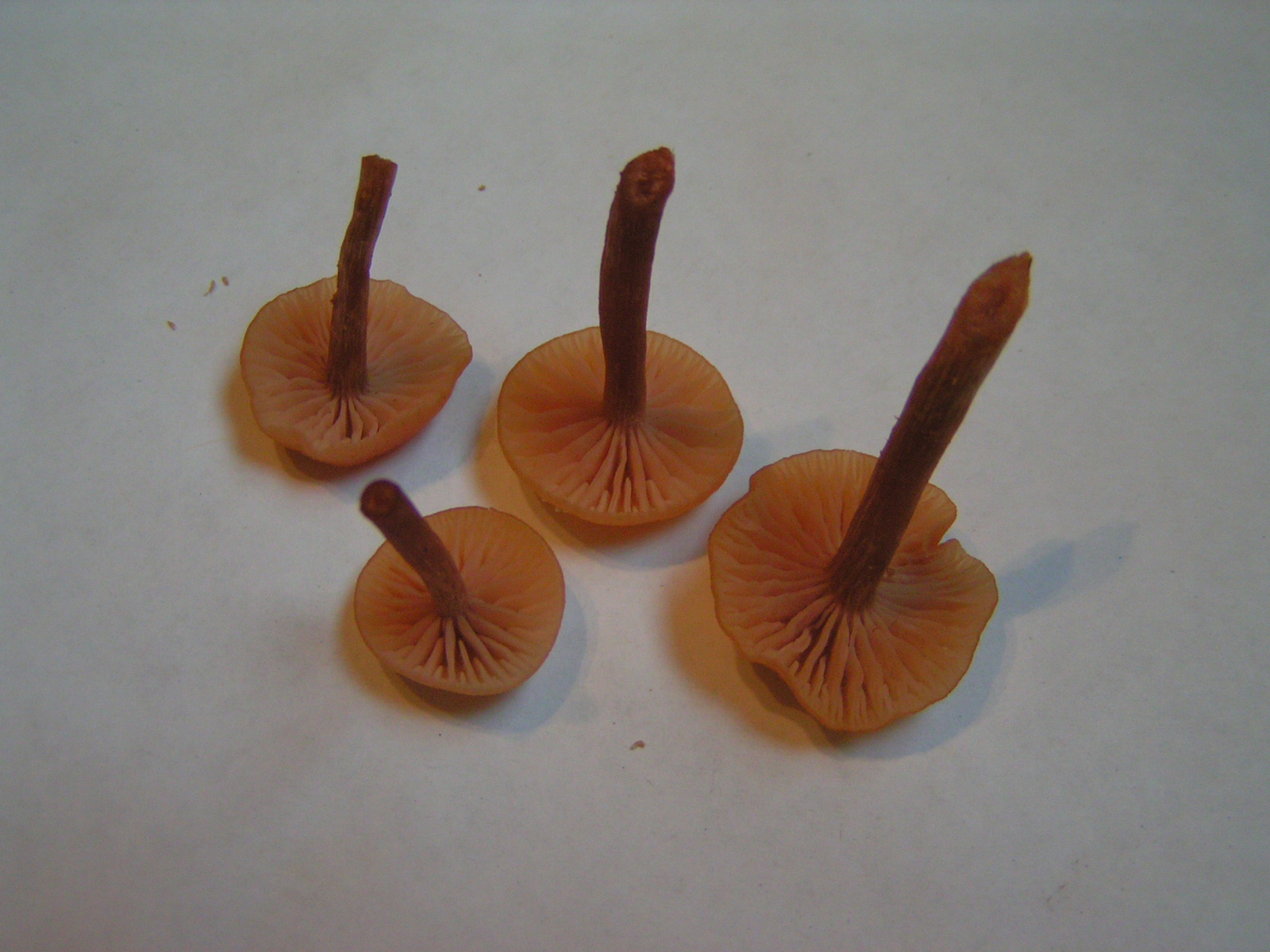
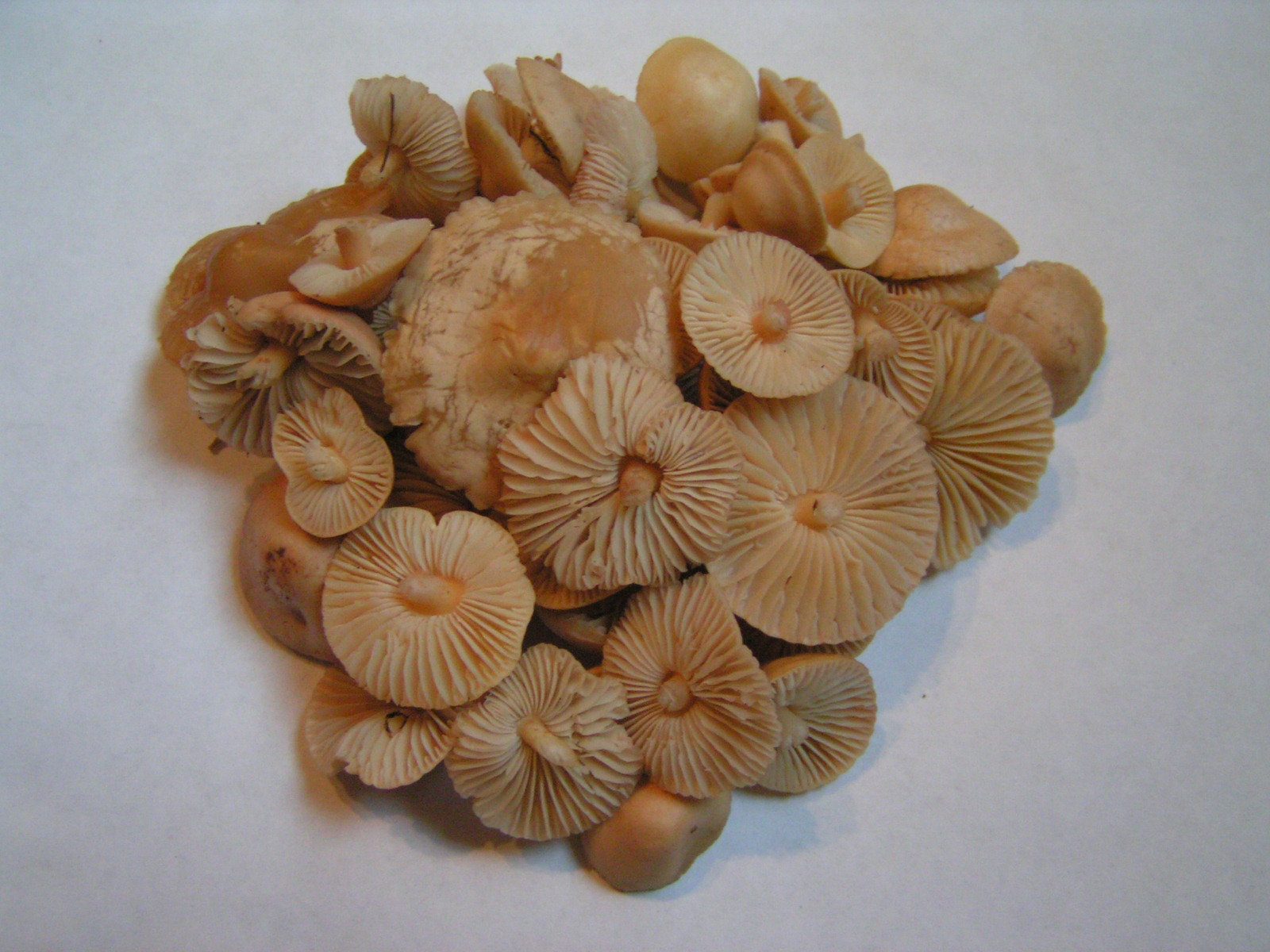
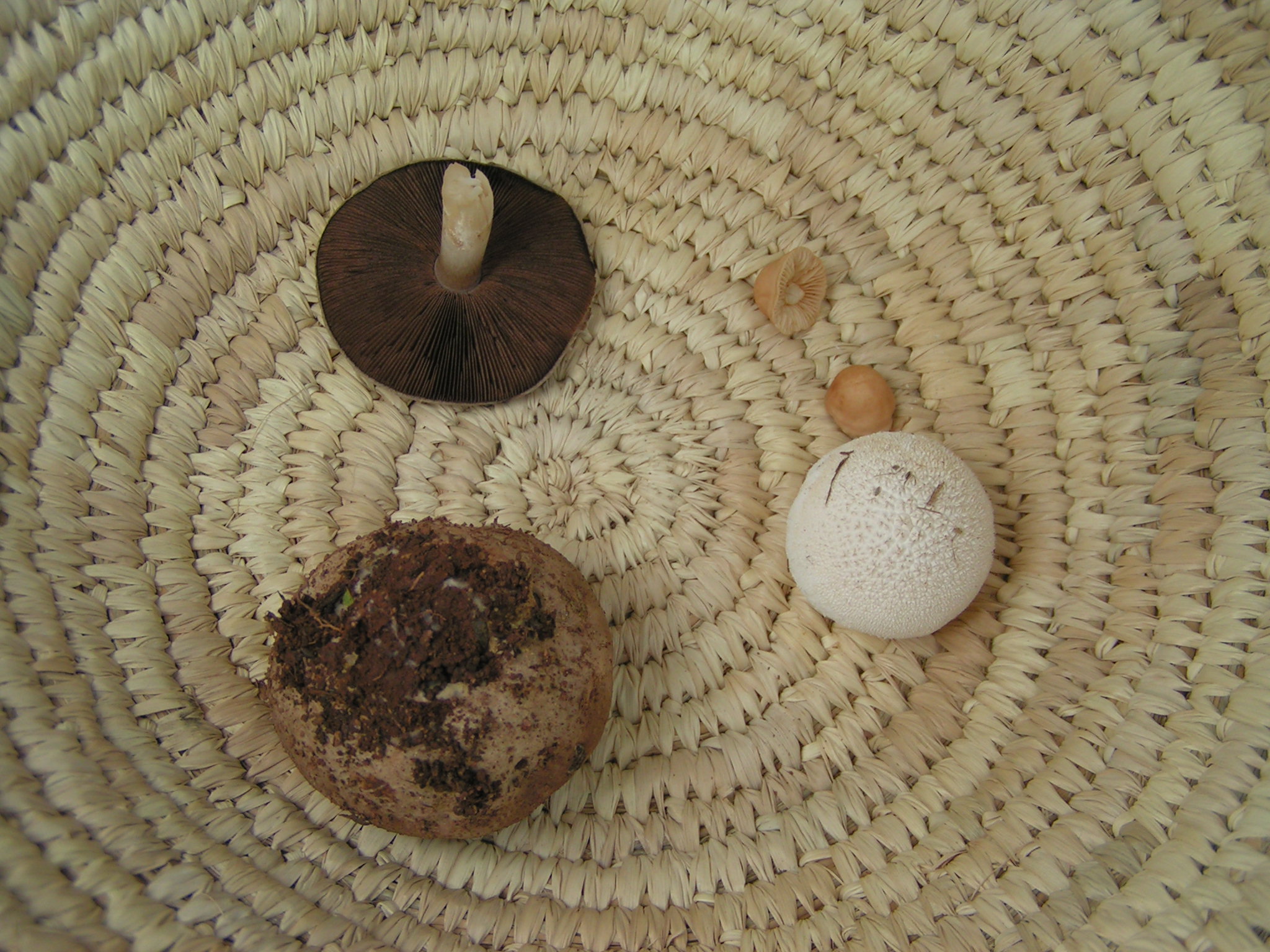
Unidentified.Unidentified.

Unfortunately, these photos do not show the true vivid colors of these mushrooms. They were brilliant red-orange. I’ll add in more info about them here later.

We also came across some funky, slimy yellow mushrooms, but decided against harvesting any samples, as our basket was (at the time) chock-full of edible goodness.
October 25 – Calvatia

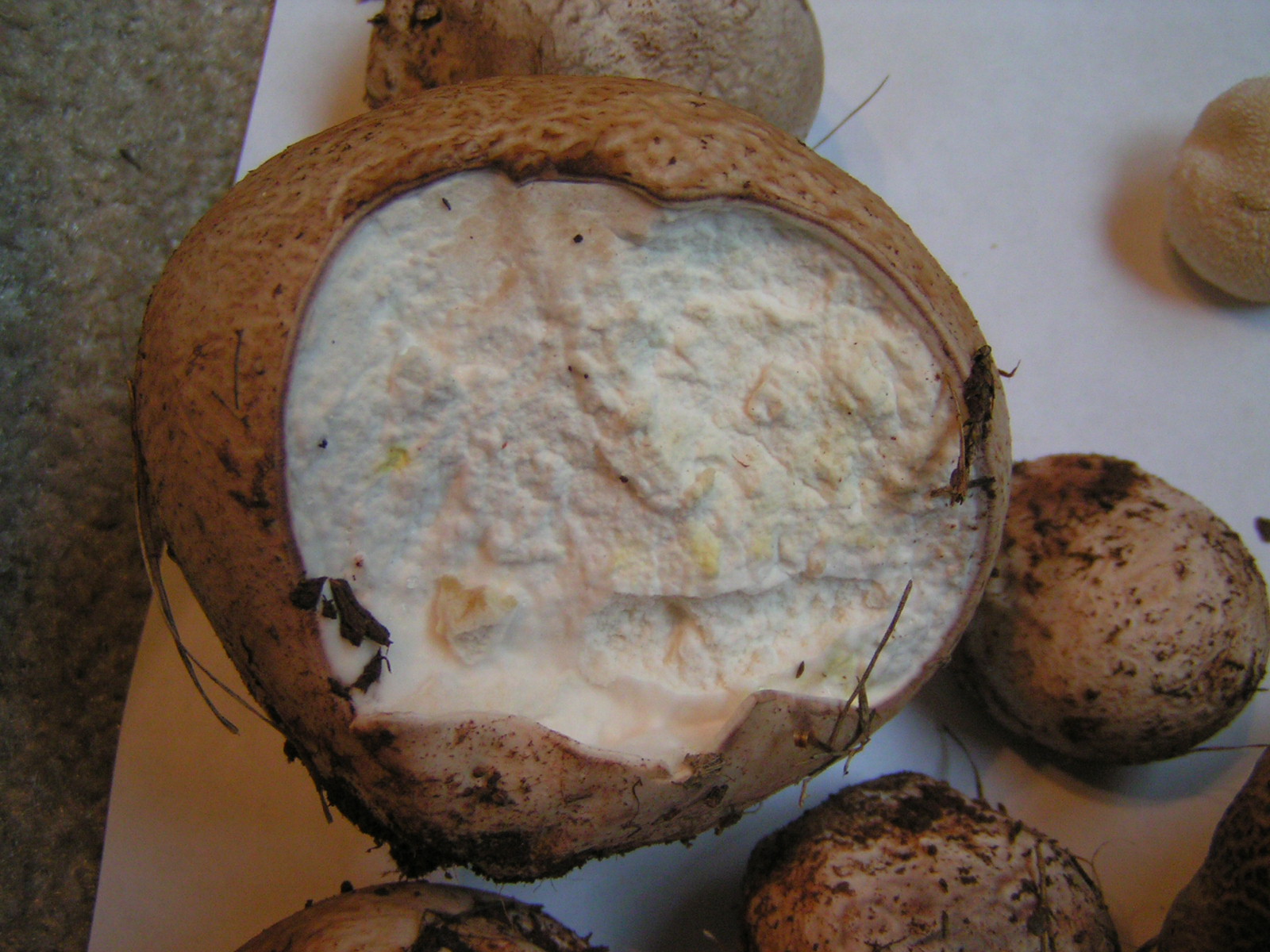
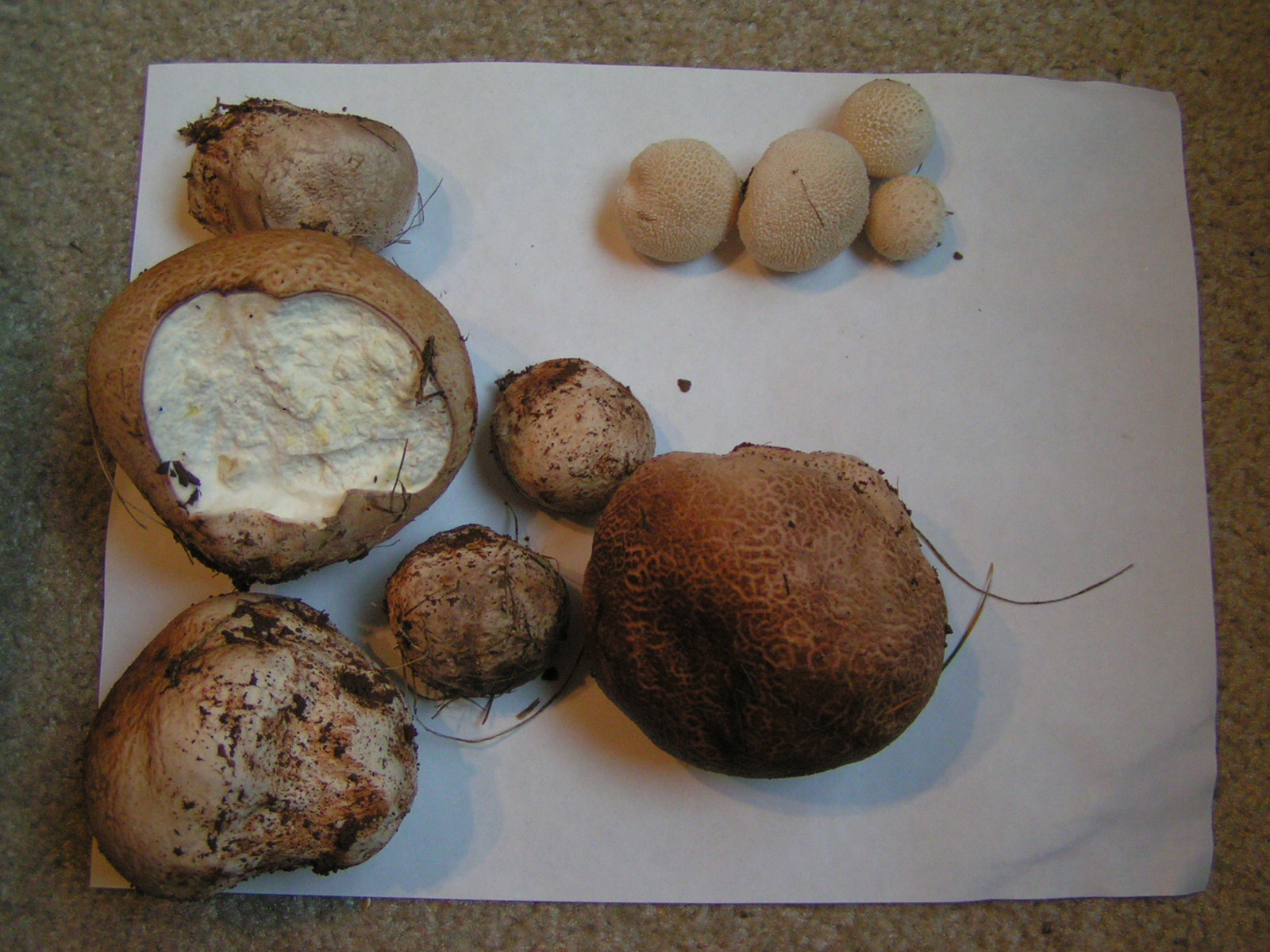
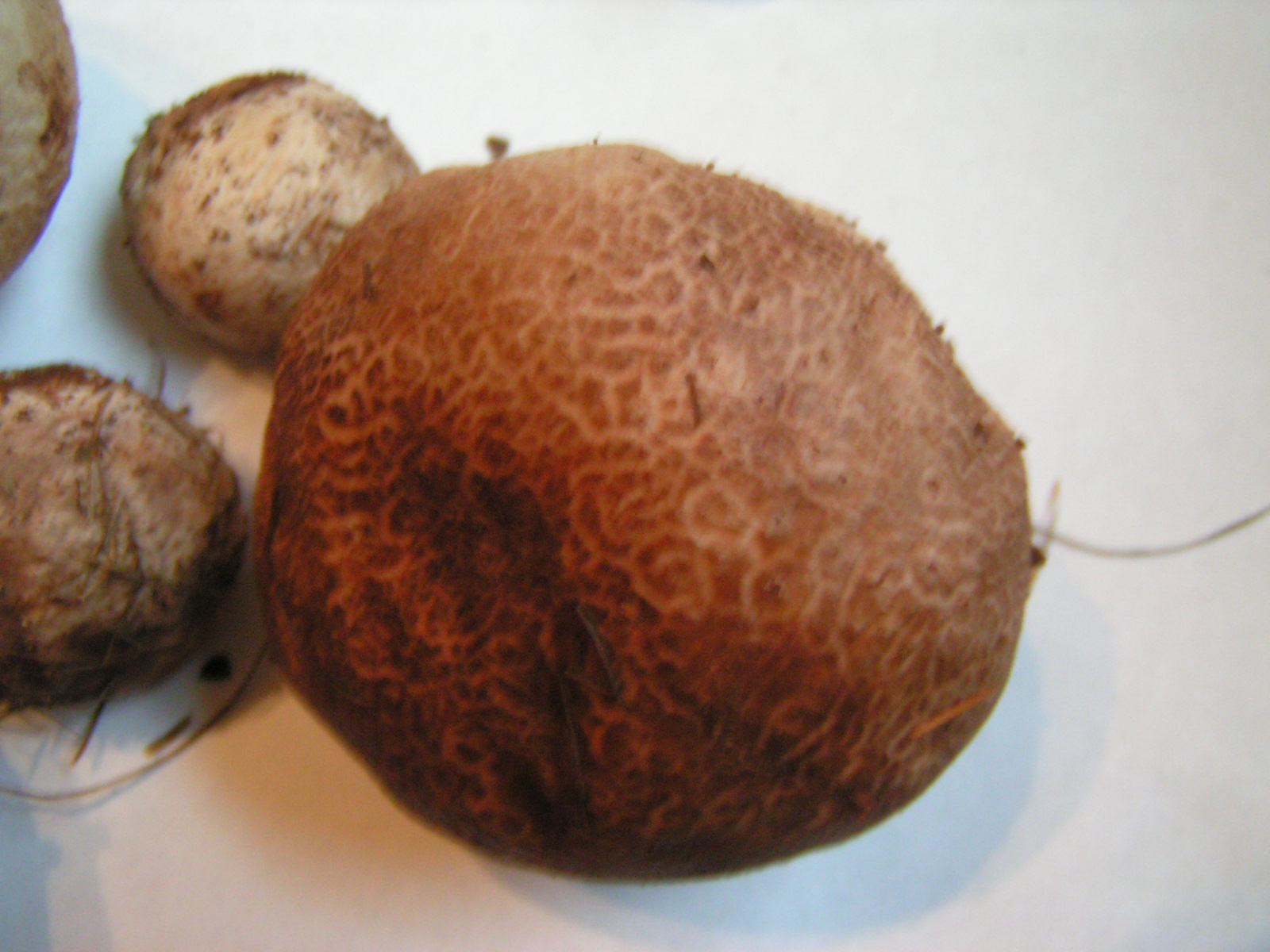
Calvatia cyanthiformis and some LycoperdonCalvatia cyanthiformis againCracked open Calvatia cyanthiformis.

Certainly Calvatia most likely C. cyanthiformis, but all samples were far too fresh to get any spores. Luckily it won’t matter to me as all Calvatia are tasty and good to eat. One of them we found cracked open, exposing its white flesh (probably a deer stepped on it) but it exhibited something fascinating by trying to heal itself closer to its base.

October 25 – Agaricus campestris

Agaricus campestrisAgaricus campestris buttons.Some of the “blood” dripped onto one of the caps of A. campestris.Agaricus campestris cap.Gills of Agaricus campestris.Youger cap of Agaricus campestris.

Oodles of Agaricus campestris (brown-capped variety) now all in the dehydrator.

It was also so moist outside that some of them had drops of “blood” on their gills (that’s something I’ve only read about it in field guides about them before) which were also a beautiful bright-pink to chocolate. As such, you’ll notice some pink “blood stains” on the caps where I stacked the mushrooms on top of eachother.

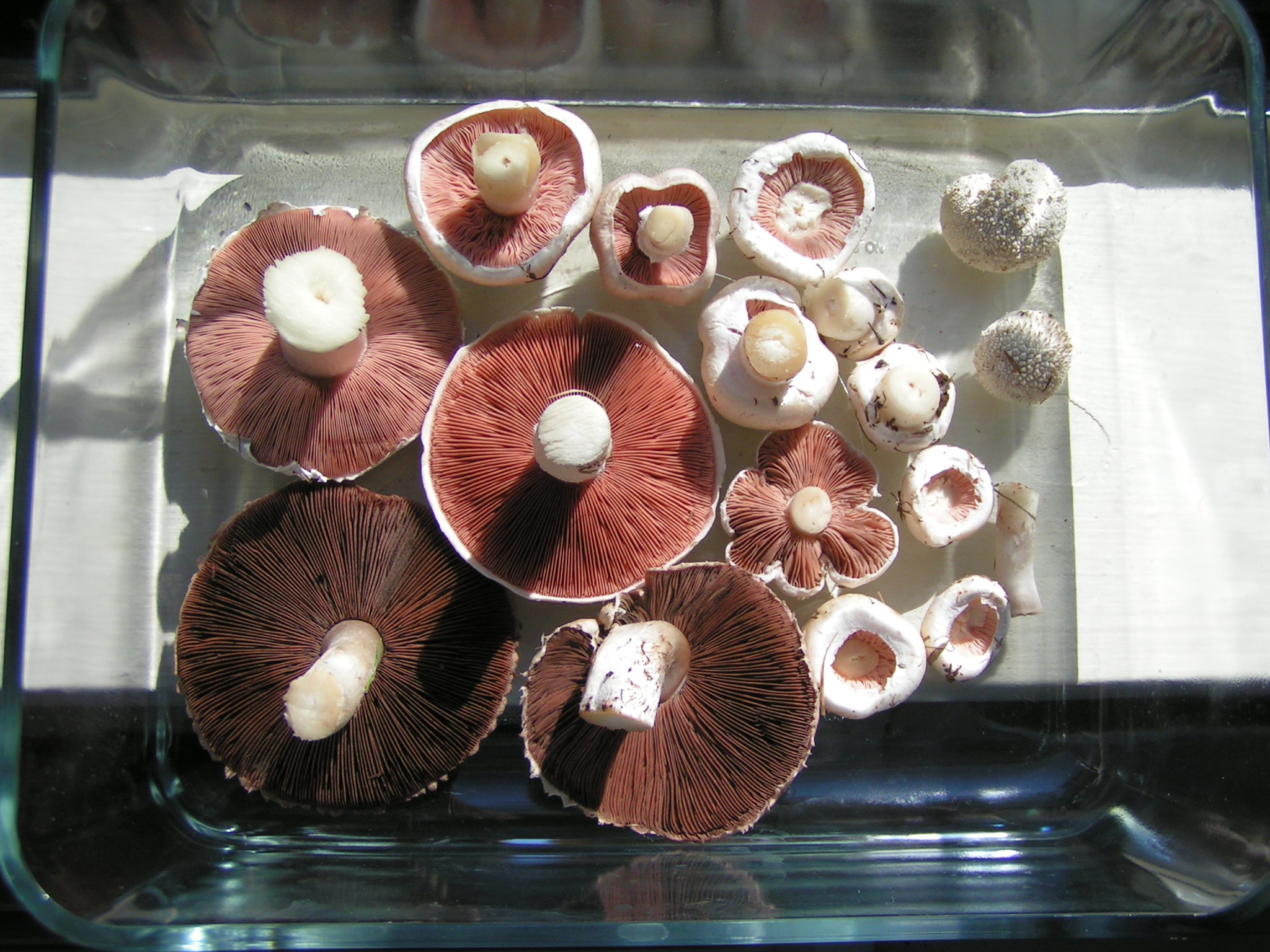
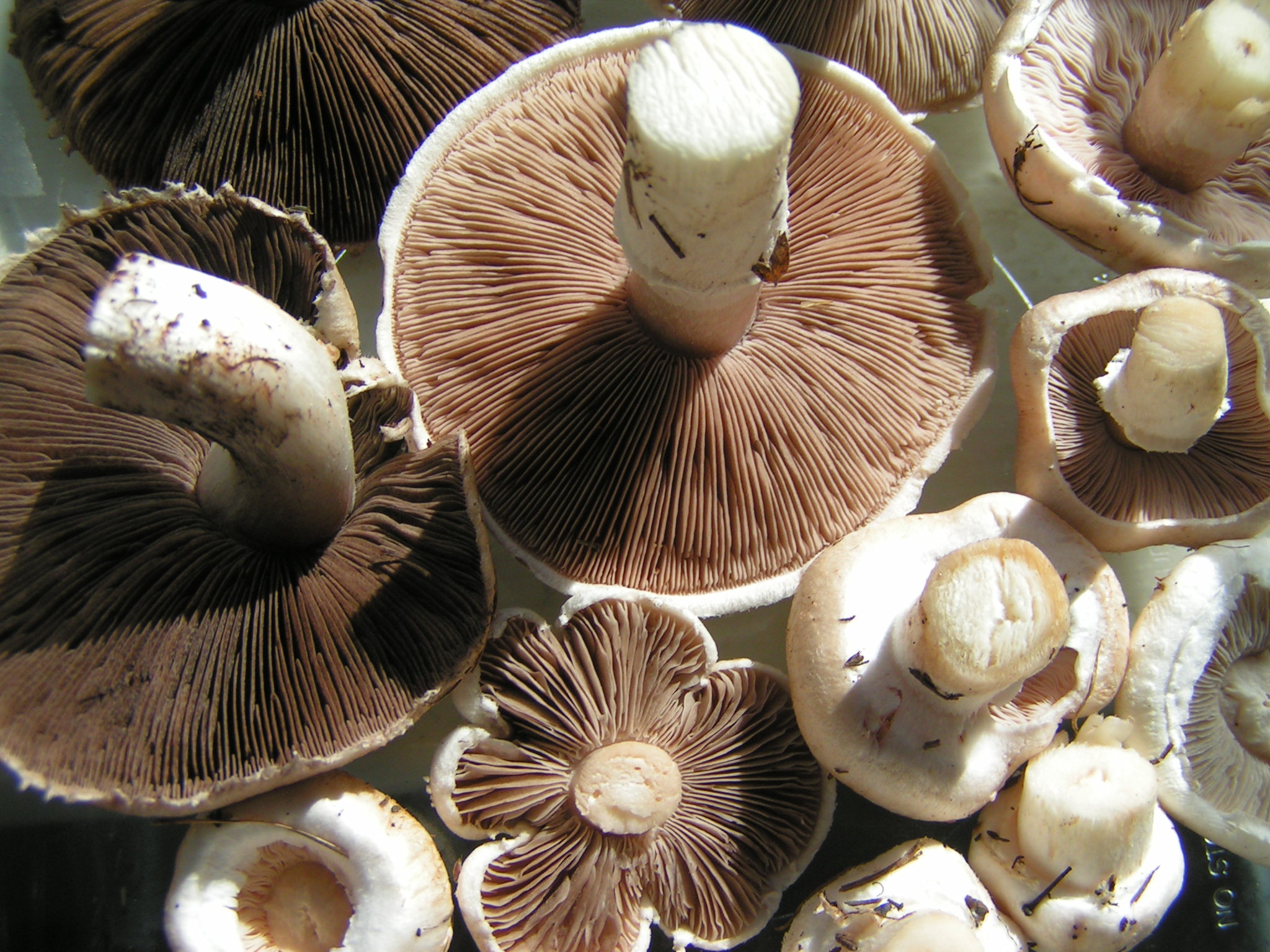
October 25 Catch

I was surprised to bring in so many mushrooms at this time in the season. The weather has been whacky, so I’ll blame that. Below are some pictures of the two baskets that my wife and I brought in. I only wish that there was better light to take the photographs in as most of them came out grainy.

October 25th Catch

I’ll be going through each type of mushroom we came across in separate entries.

-Steve

After Some Much-Needed Rain

We haven’t had rain in too long, so when I had a whopper of a headache on Wednesday night, I was a little excited. Sinus headaches for me have always been followed by changes in the weather, but more specifically, rain, so sure enough on Thursday it started to drizzle, and on Friday it turned into a full-blown downpour. The next day afterwards, my wife and I went out mushrooming and pulled in a good-sized catch. Not as large as we had hoped, but a relatively large for how late in the season it’s getting.

Agaricus campestris and two Lycoperdon pulcherrimum or echinatum.

Yesterday, we brought in the above: 15 Agaricus campestris and two Lycoperdon (either L. pulcherrimum or L. echinatum, I can never really tell not that it really matters to me). I popped these into the fridge overnight to outline that change of gill color that I had mentioned before. Within a few hours after they are picked, the characteristic bright-pink of the gills fades to a pallid gray:

The pink gills fade to gray.

Pink gills of an Agaricus campestris to Pink gills faded to gray of an Agaricus campestris

This is completely normal, but a really good reason to keep a mushroom journal with photos. In the past, I’ve thrown out entire clutches of campestris because I was not aware of this quirk and feared misidentification (as if I’m not 100% confident that a mushroom is edible, I toss it: “When in doubt, throw it out!”).

Another thing that I loved about this batch of campestris was that most of them were of the brown-capped variety:

The brown cap variety of Agaricus campestris.

Just like Agaricus bisporus, the mushrooms you get in the supermarket, have “white” (button) and “brown” (portobello, crimini) varieties, so to A. campestris. I love their color.

The next day (today) we went out again only to find slim pickings, albeit with a bit more variety:

Oct 21st 07 Catch. Agaricus campestris, Marasmius oreades, and a few puffballs.

One mature Agaricus campestris, two Marasmius oreades, one Lycoperdon, and one Calvatia (probably C. cyanthiformis).

I’ll post more soon.

Peace,
-Steve