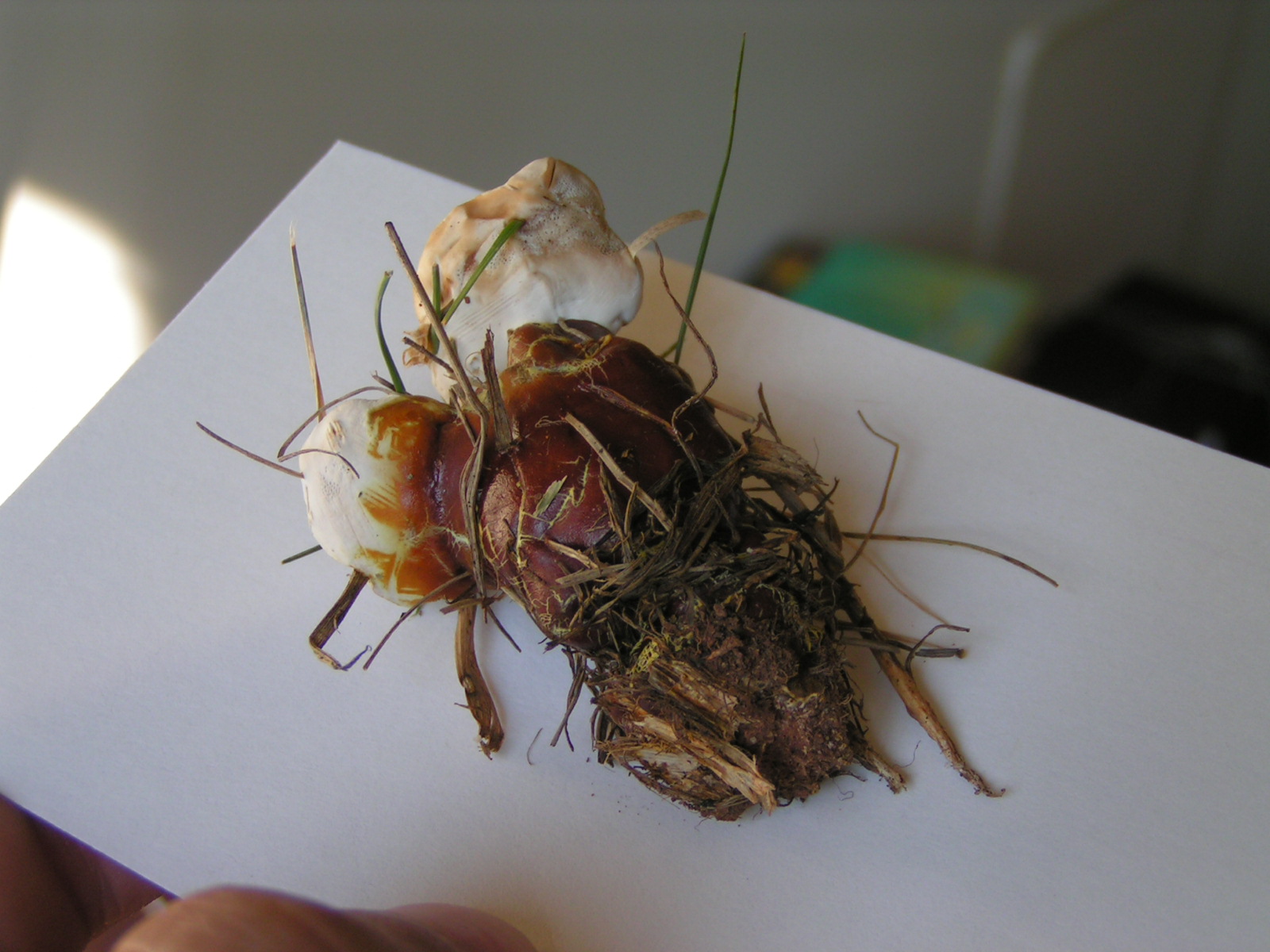
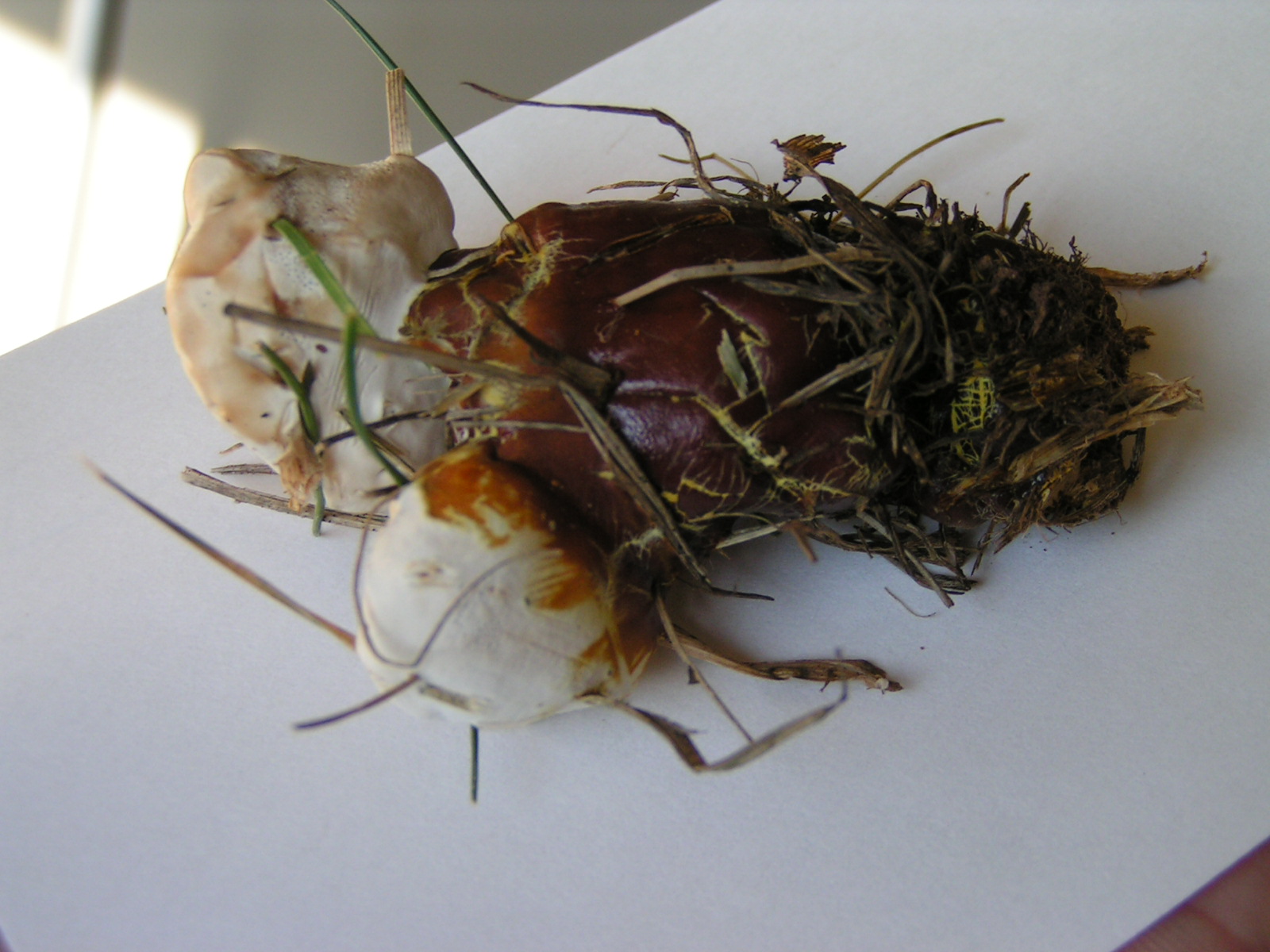
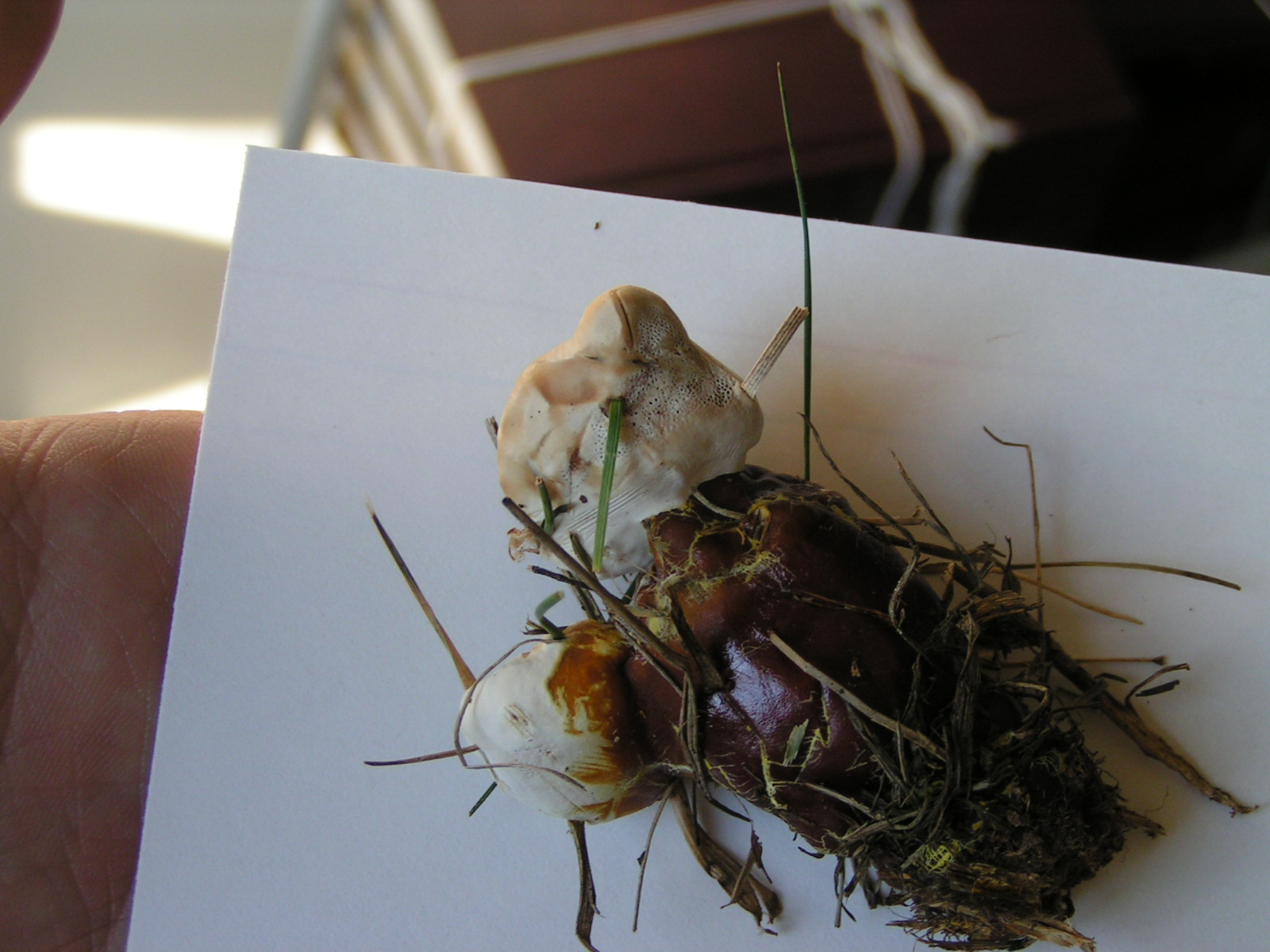
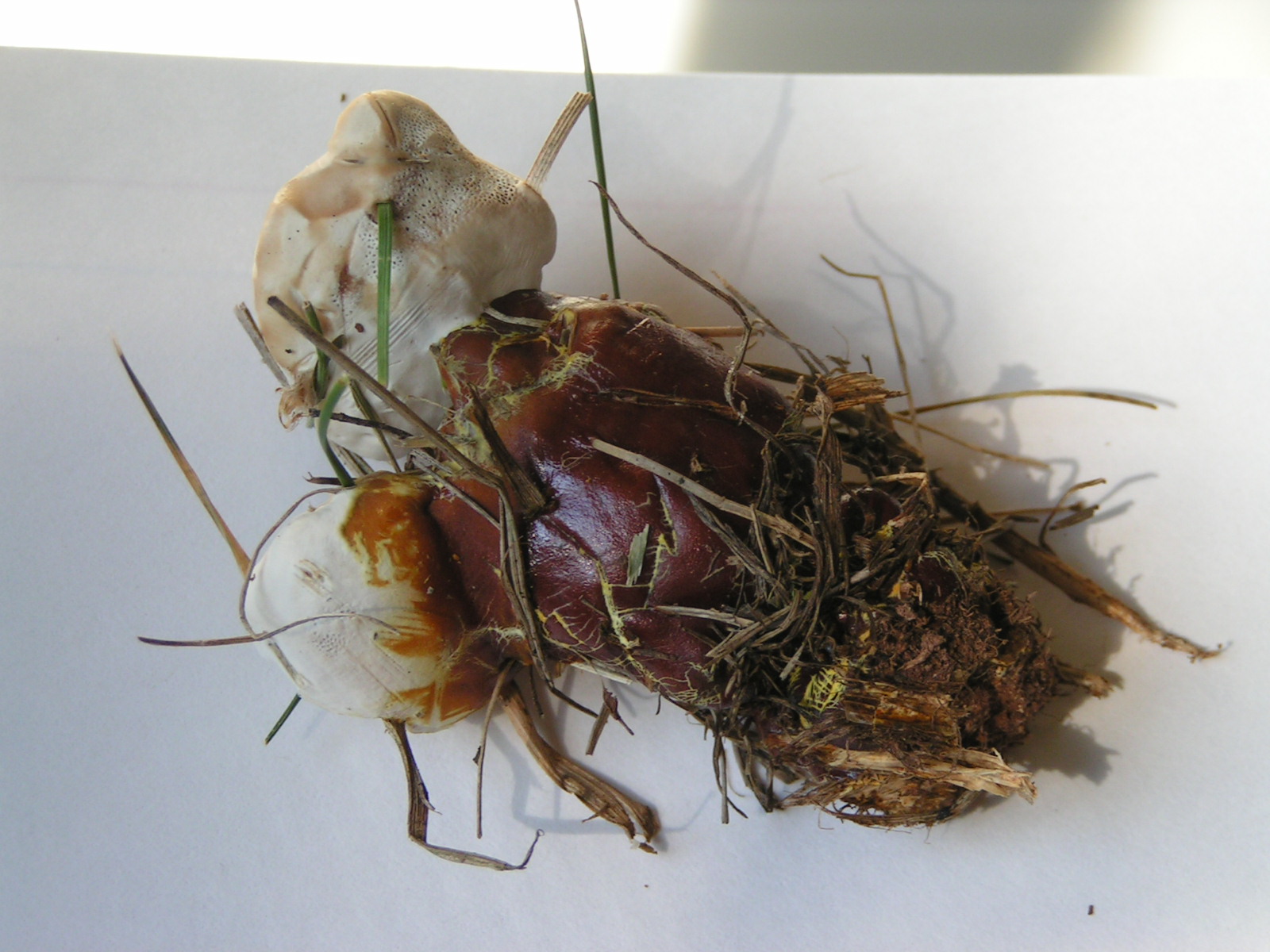
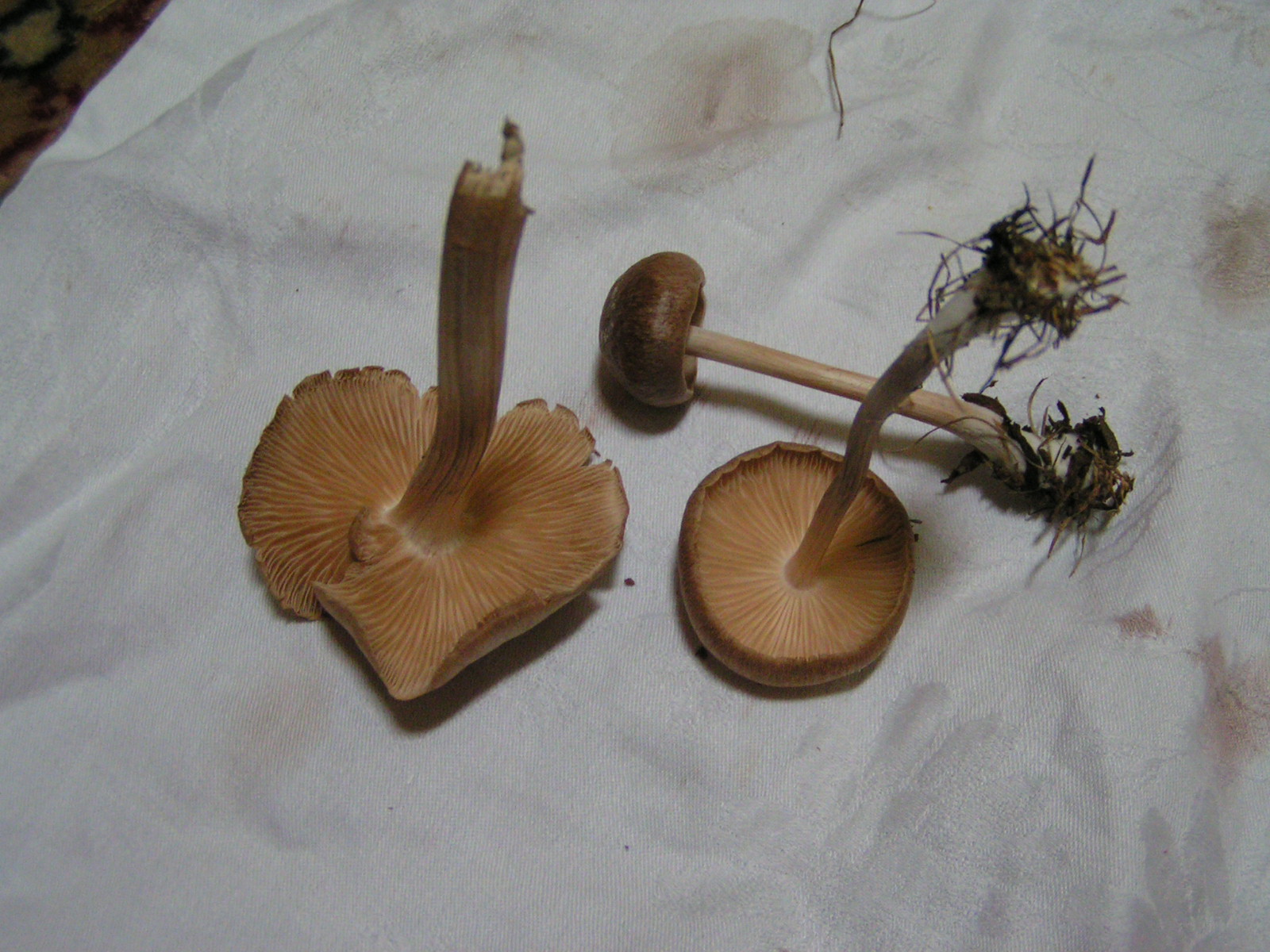
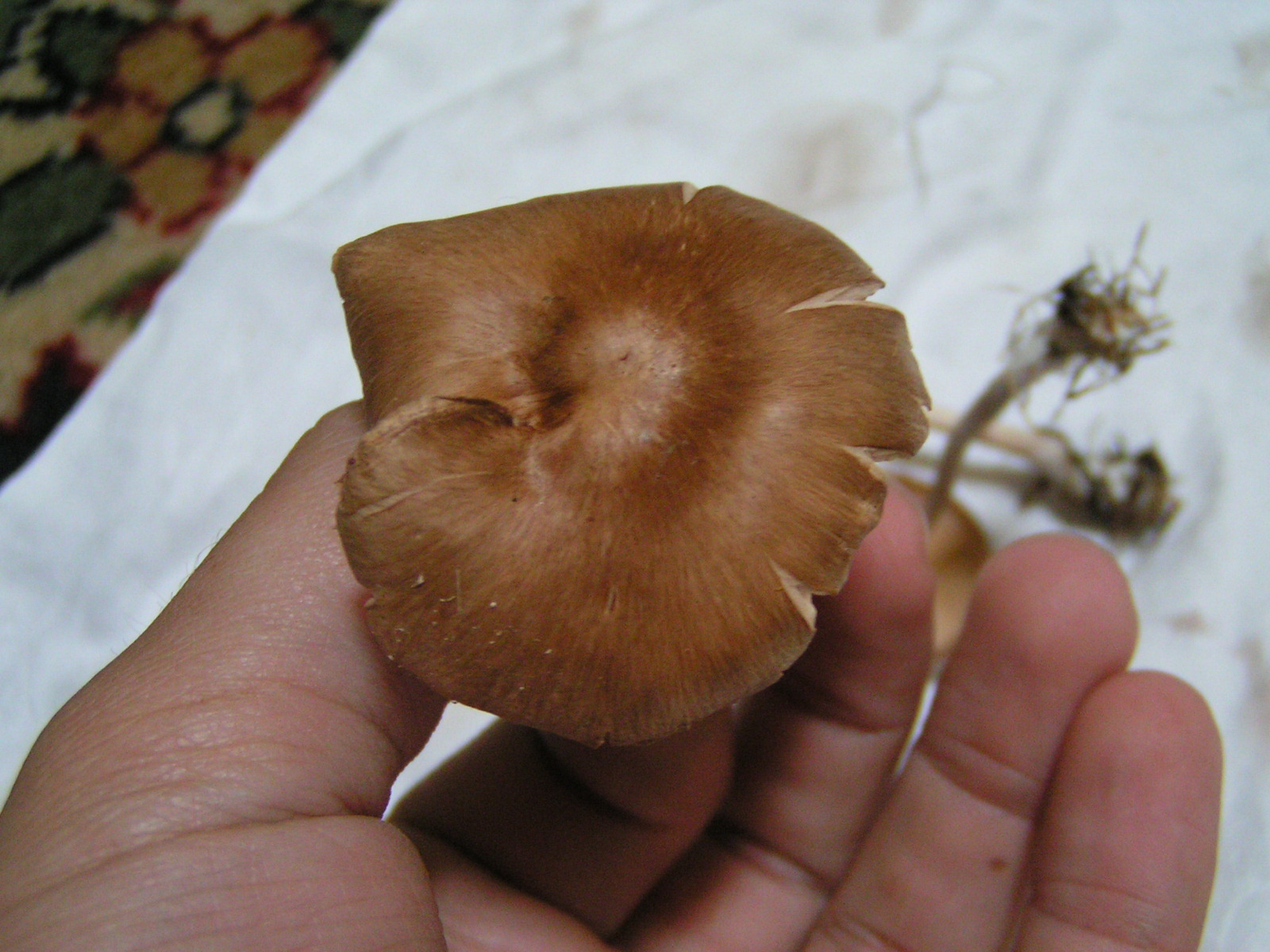
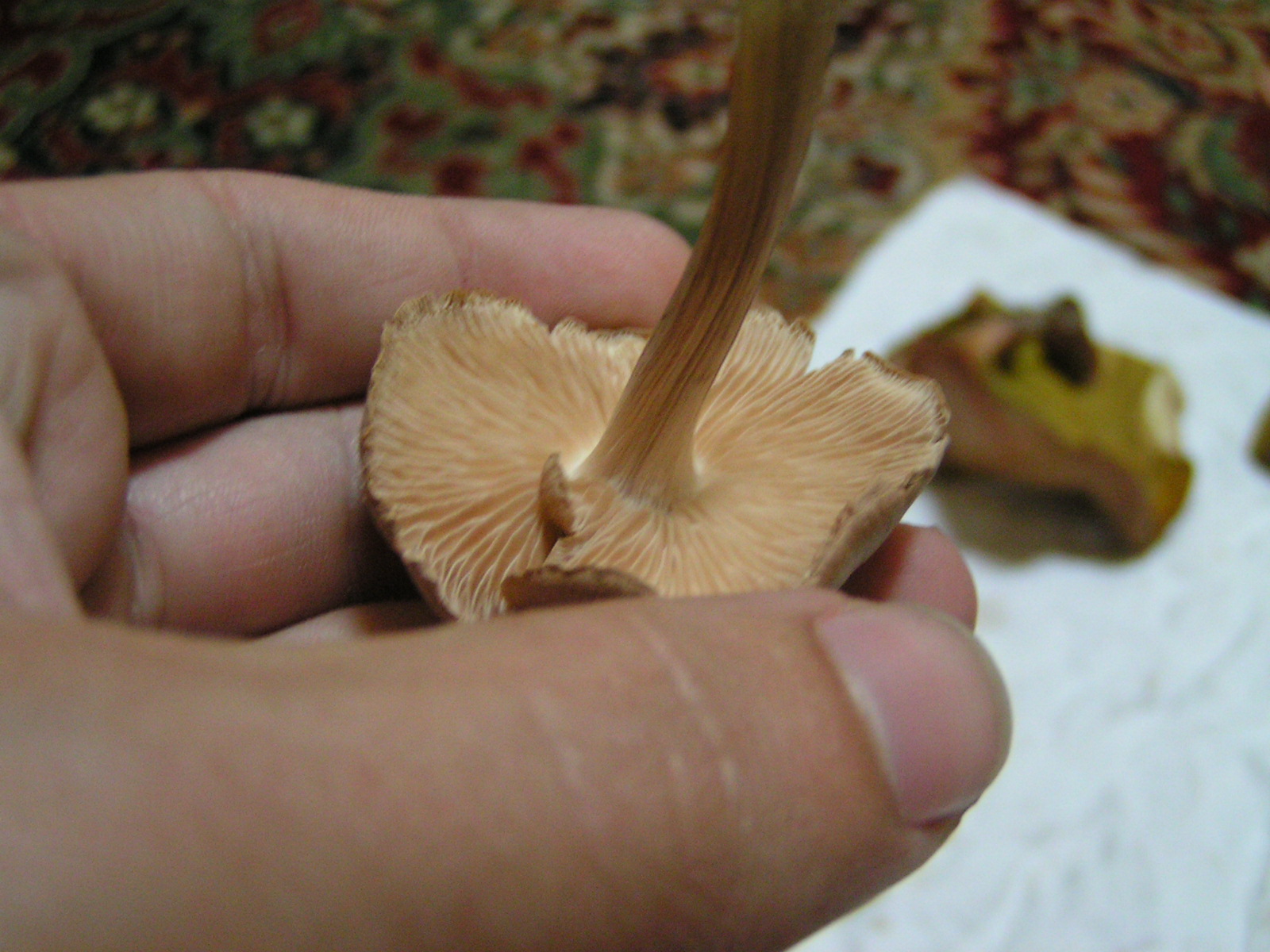
When I was over at my grandparents’ house with my wife, daughter, and sister for dinner (which is a weekly tradition) there was this gorgeous mushroom growing in the front lawn covered with midges. I unfortunately did not have my camera with me, but it was one of the most beautiful specimens of Toxic Scaly Agaricus or Agaricus praeclaresquamosus (wow.. that’s a mouthful) that I’ve ever seen.
Truly a look-but-don’t-eat sorta mushroom. Beautiful sooty-black scales, pink gills, a large intact ring with scales on the underside, and a base that stained bright daisy-yellow when cut. The midge flies crawling over it were due to its somewhat unpleasant smell, but then again it’s an easy way for the mushroom to spread spores.
The next time one blossoms there, I’ll be sure to take some pictures. 🙂
UPDATE: After doing s bit more reading, it turns out that this mushroom was probably Agaricus placomyces. The two are practically identical, but A. placomyces grows in the east (I’m on the East Coast) where A. praeclaresquamosus grows west of the Great Plains. Next time I’m able to grab a sample, I’ll be sure to take it home and confirm under a microscope (as well as take copious pictures).