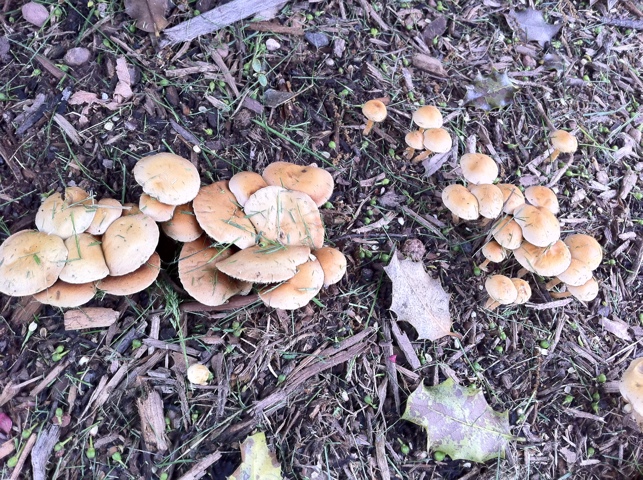
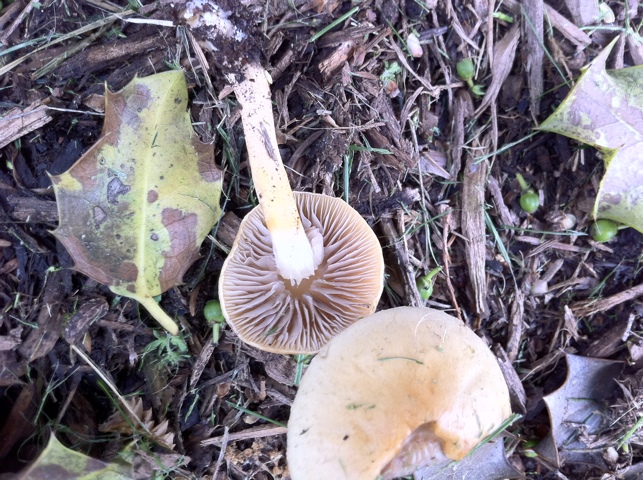
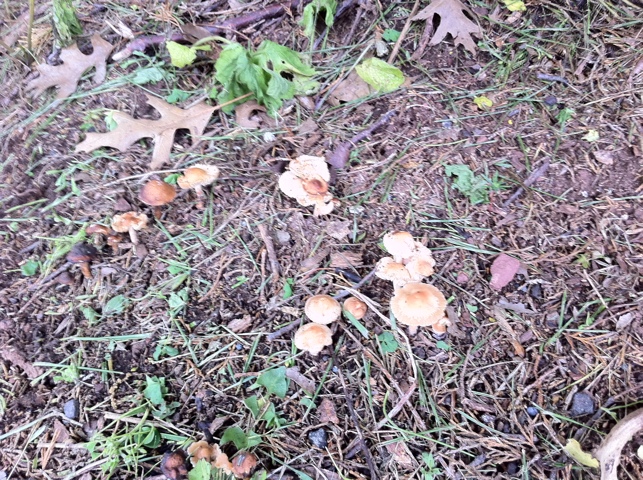
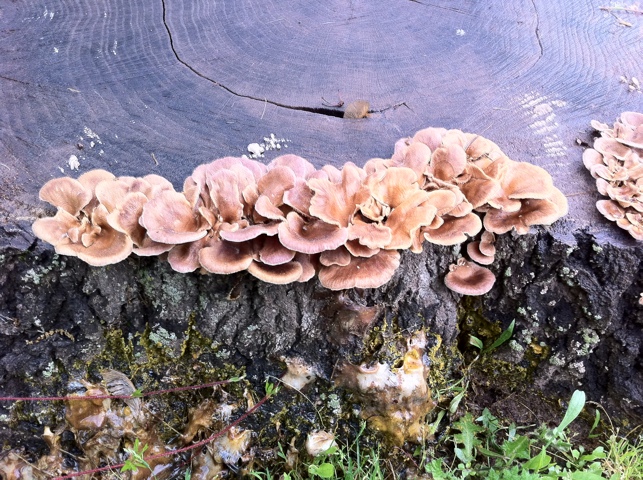
They come up so often, but I can’t seem to peg down what they are. Need to take a sporeprint. My first guess was something coprinoid, but they don’t key into anything well enough for a confident ID.
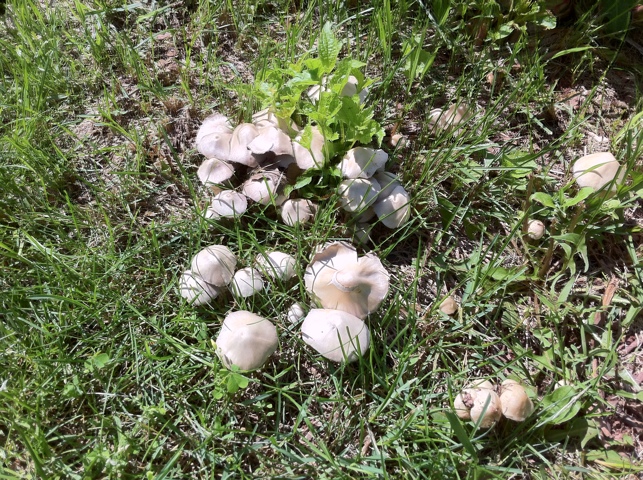
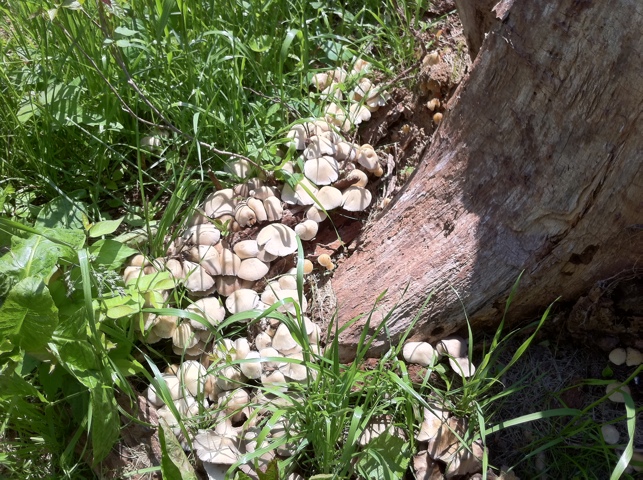
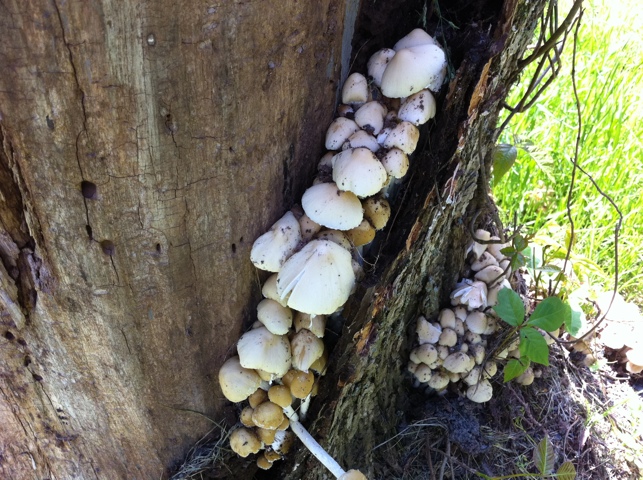
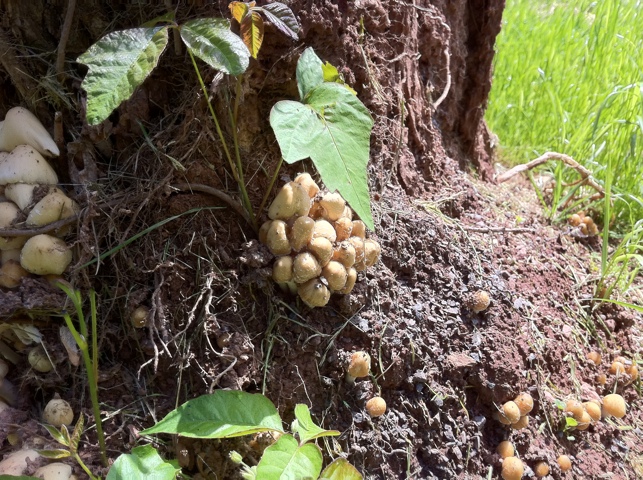
They come up so often, but I can’t seem to peg down what they are. Need to take a sporeprint. My first guess was something coprinoid, but they don’t key into anything well enough for a confident ID.
Same kind as my other entry.
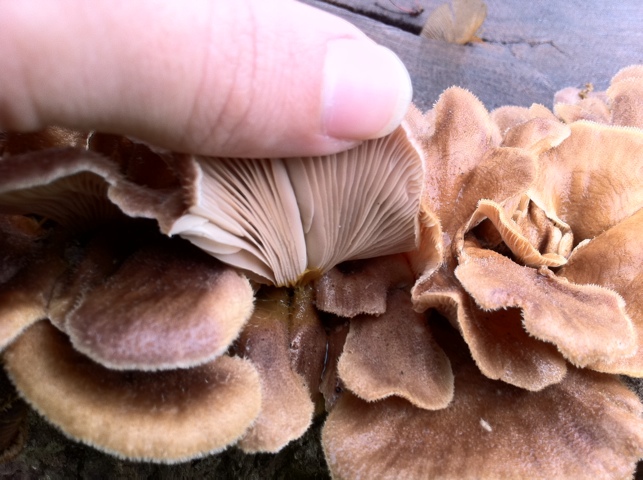
UPDATE: These cannot be Panus rudis, as they have forked gills and a bright yellow spore print. Back to the drawing board…

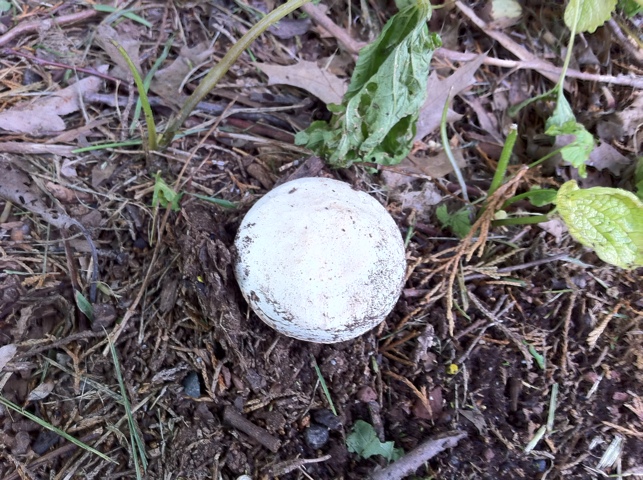
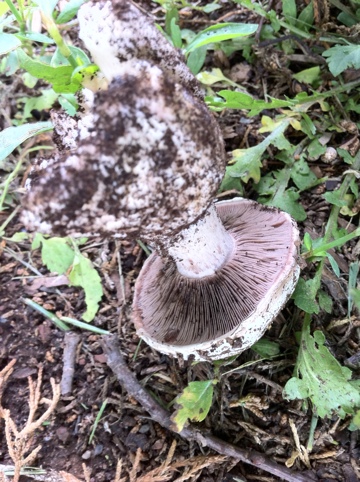
First Agaricus of the season! However I’ll be buggered if I can figure out what it is. Big bulb at the bottom (no vulva), no yellow staining, no ring, slightly inrolled margin. No clue.
Update: Chocolate brown spores. Unfortunately, the print was lost before I could look at it under the microscope when the cap liquified from maggots.
These were growing up from the roots of a maple tree.
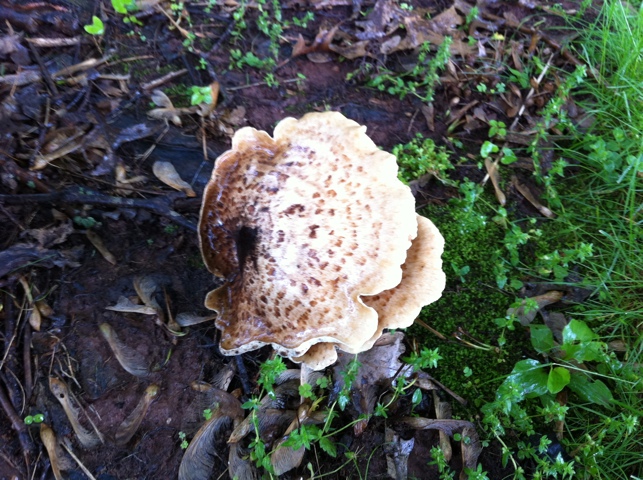
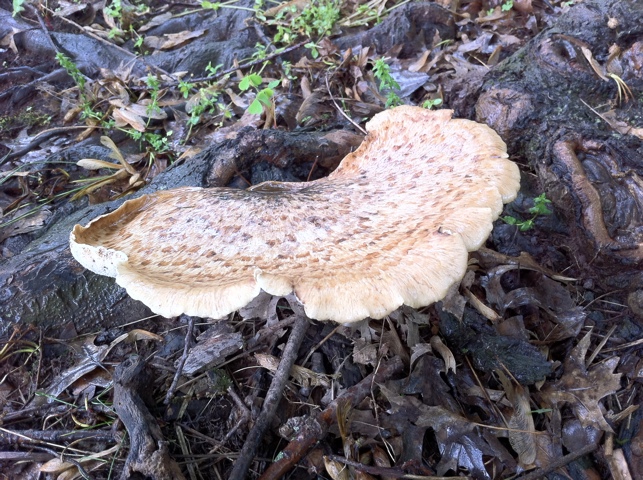
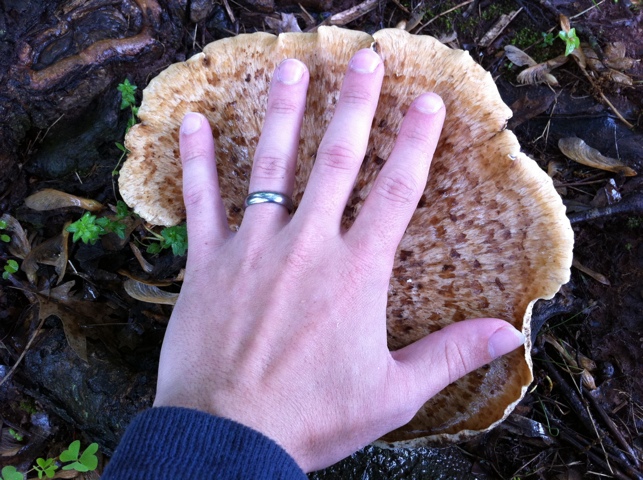
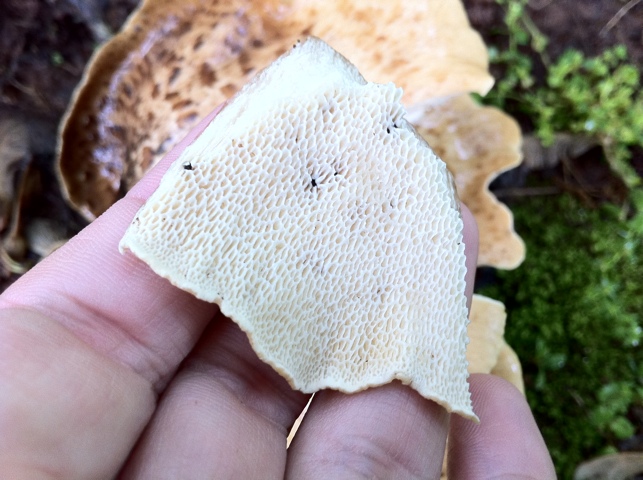
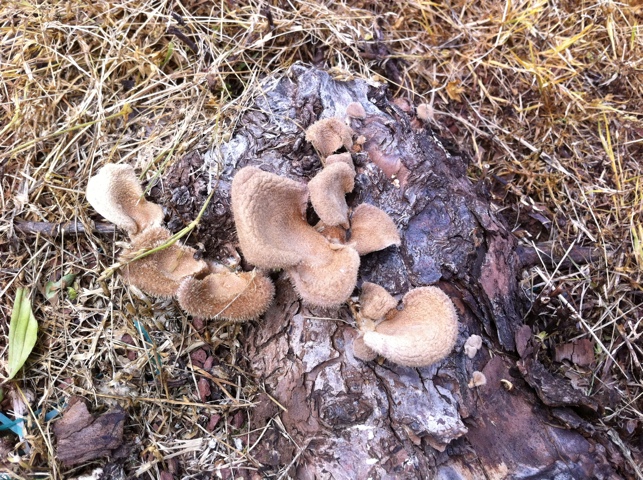
From a distance it looked like a nice cluster of Pleurotus, but up and close I found they were fuzzy and tough. With white gills and yellow-white spores (P. ostreatus and friends have lilac spores), my best guess is Panus rudis.
UPDATE: These cannot be P. rudis, as they have forked gills and a bright yellow spore print. Back to the drawing board…
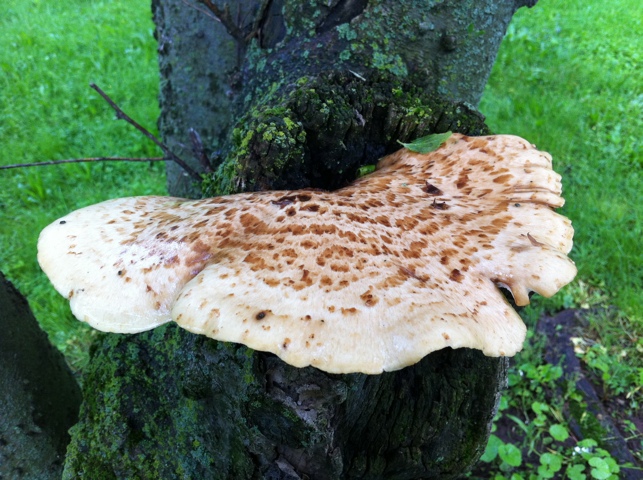
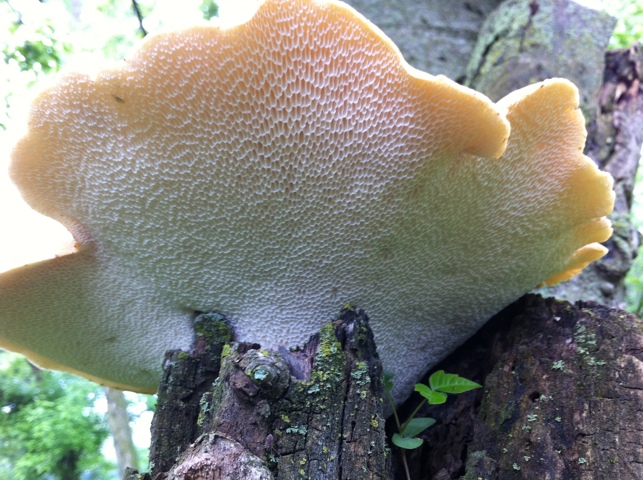
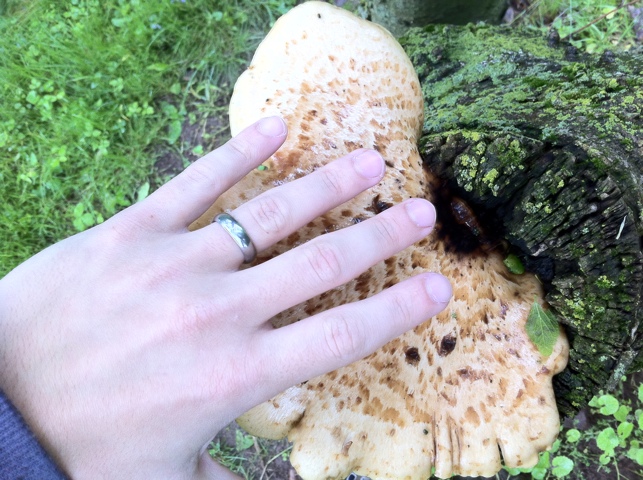
So fresh it made the whole car smell like watermelon (one of the odd quirks of this species of mushroom, although it certainly doesn’t taste like watermelon, or smell like watermelon after it’s cooked).
This one might be for sale on the upcoming RogueLeaf Fungorium. More soon about that. 🙂
In the meantime, if you’d like to purchase this specimen, email in to RogueLeaf •at• gmail •dot• com.
FDA Food Code 3-201.16 Wild Mushroom Buyer Specification:
Further information:
Didn’t expect this at all. However I know A. gallica grows where I found it, and all features are a match.
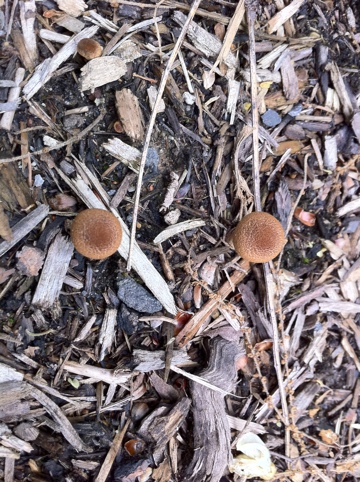
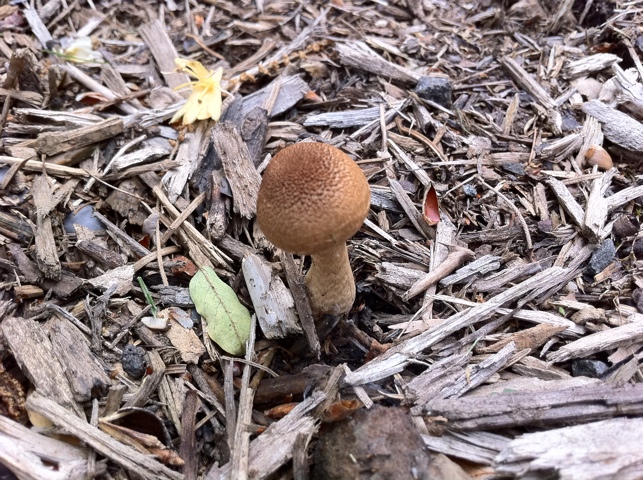
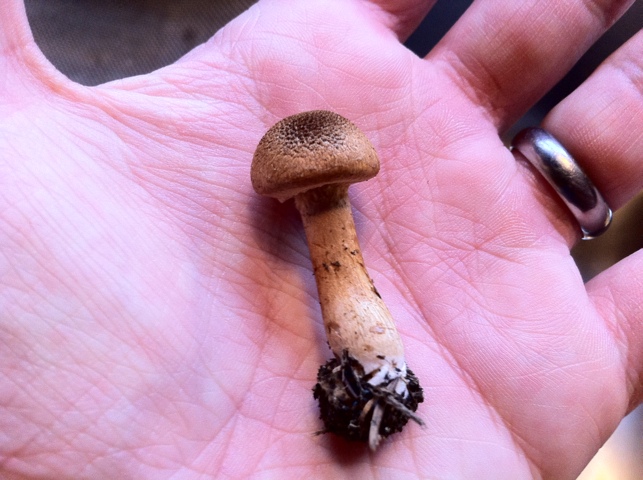
Looked superficially like a cluster of Marasmius oreades, but gills and spore deposits showed brown spores.